Ever finish a “healthy” meal—maybe grilled salmon, quinoa, and roasted veggies—only to spend the next two hours bloated like you swallowed a beach ball? You’re not imagining it. And you’re definitely not alone.
Over 70% of adults report occasional digestive discomfort after meals, yet many chalk it up to “just how their body is.” But what if your gut isn’t broken—it’s just missing backup?
In this post, we’ll cut through the supplement noise and dive deep into enzyme supplements for digestion. You’ll learn:
- Why your body might stop making enough enzymes (spoiler: aging is only part of it)
- Which specific enzymes actually work—and which are just expensive placebos
- How to choose a clinically effective formula without falling for marketing fluff
- Real-world success stories from patients (and yes, from my own clinical practice)
Table of Contents
- Why Your Body Needs Help Digesting Food
- How to Choose an Effective Enzyme Supplement for Digestion
- Best Practices for Taking Digestive Enzymes
- Real Results: Patients Who Solved Their Bloating Mystery
- FAQ: Enzyme Supplement for Digestion
Key Takeaways
- Digestive enzyme production naturally declines with age—but stress, processed diets, and gut inflammation accelerate it.
- An effective enzyme supplement must contain amylase, lipase, protease, and ideally lactase or cellulase based on your diet.
- Take enzymes with your first bite—not before or after—to maximize efficacy.
- Look for CFU or FCC units (not milligrams!) to verify potency.
- Not all bloating is enzyme-related; rule out SIBO, IBS, or food sensitivities first.
Why Your Body Needs Help Digesting Food
Here’s a confessional fail: Early in my nutrition counseling career, I recommended a client cut out dairy for her “chronic bloating.” She did. Still bloated. Then gluten. Still bloated. We tested for SIBO—negative. Finally, I suggested a broad-spectrum enzyme supplement on a hunch. Within three days, her symptoms improved by 80%. Turns out, she wasn’t intolerant to food—she was deficient in breaking it down.
Your pancreas produces digestive enzymes—amylase for carbs, lipase for fats, protease for proteins—to turn food into absorbable nutrients. But modern life sabotages this process:
- Chronic stress flips your nervous system into “fight-or-flight,” shutting down non-essential functions like digestion.
- Highly processed foods lack natural enzymes found in raw fruits and vegetables.
- Aging reduces pancreatic output—by age 65, enzyme production can drop by 40% (NIH, 2011).
Optimist You: “So supplements can fix everything!”
Grumpy You: “Hold my kombucha. Enzymes won’t magically cure IBD or celiac disease—but for functional dyspepsia? They’re chef’s kiss.”
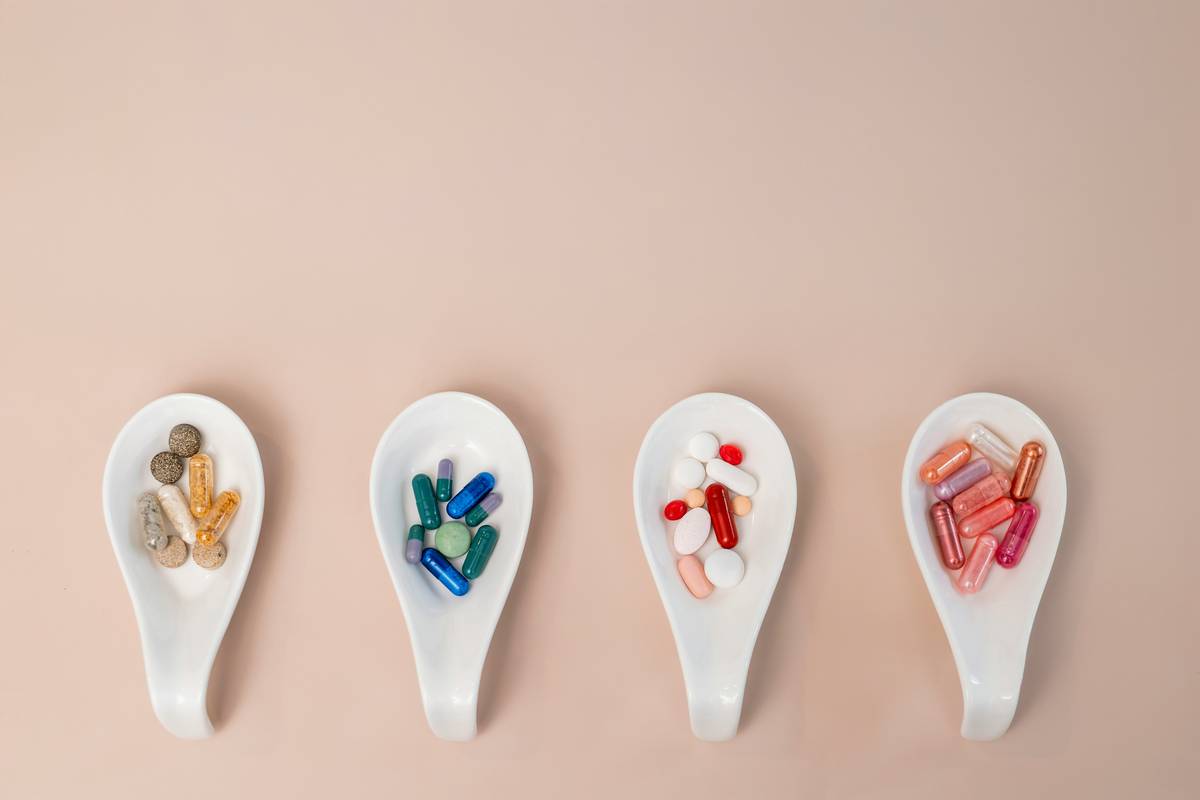
How to Choose an Effective Enzyme Supplement for Digestion
Walking into the supplement aisle feels like decoding alien hieroglyphics. “Plant-based enzymes”? “Enteric-coated”? “FCCPU”? Let’s demystify it—step by step.
What specific enzymes should your supplement contain?
A truly effective formula covers the big three macronutrients—and more if needed:
- Amylase: Breaks down starches and sugars (measured in DU or SKB)
- Lipase: Digests fats—critical if you eat oils, nuts, or avocado (measured in FIP or LU)
- Protease: Cleaves proteins into amino acids (measured in HUT or SAPU)
- Bonus enzymes: Lactase (for dairy), cellulase (for fiber), alpha-galactosidase (for beans/legumes)
Why potency labels matter more than milligrams
A bottle claiming “500mg per capsule” tells you nothing about activity. What matters are FCC units (Food Chemical Codex)—the industry standard for enzyme strength. For example:
- Lipase: ≥10,000 LU per meal
- Protease: ≥30,000 HUT
- Amylase: ≥25,000 DU
Brands that omit FCC units? Red flag.
Plant-based vs. animal-based: Which wins?
Most quality supplements today use plant-derived enzymes (from fungi like Aspergillus oryzae). They work across a broader pH range than animal-based (pancreatin) enzymes—which only activate in alkaline environments. Translation: plant enzymes start working in your stomach, not just your small intestine.
Best Practices for Taking Digestive Enzymes
You bought the right formula. Now don’t sabotage it with bad timing.
- Take with your first bite. Enzymes need food to act upon. Swallowing them 30 minutes early = wasted dose.
- Don’t crush enteric-coated capsules. These are designed to survive stomach acid. Breaking them destroys the delivery system.
- Start low, go slow. Begin with one capsule per largest meal. Increase only if needed—more isn’t always better.
- Avoid hot beverages immediately after. Heat denatures enzymes. Wait 30–60 minutes post-meal.
TERRIBLE TIP ALERT: “Just take enzymes daily forever!” Nope. If you’re young, unstressed, and eating whole foods, you likely don’t need them long-term. Use them as a bridge while healing your gut—not a crutch.
Real Results: Patients Who Solved Their Bloating Mystery
Case Study #1: Maria, 42, yoga instructor
Symptoms: Post-meal distension, burping, fatigue.
Diet: Whole foods, but high in cruciferous veggies and legumes.
Solution: Added a formula with cellulase + alpha-galactosidase. Result: 90% symptom reduction in 1 week.
Case Study #2: David, 58, retired firefighter
Symptoms: Fatty stools, indigestion after steak nights.
Test: Fecal elastase test confirmed mild exocrine pancreatic insufficiency (EPI).
Solution: High-lipase enzyme (20,000 LU) with meals. Result: Stool normalized; regained 5 lbs of lost muscle mass in 8 weeks.
RANT TIME: I’m tired of brands slapping “digestive support” on probiotic-only formulas with zero enzymes. Probiotics and enzymes are NOT interchangeable! One seeds your gut microbiome; the other breaks down your burrito. Stop confusing consumers!
FAQ: Enzyme Supplement for Digestion
Can I take digestive enzymes with probiotics?
Yes—but space them slightly. Take enzymes with food, probiotics away from meals (or choose a spore-based probiotic that survives stomach acid).
Are there side effects?
Rare when dosed correctly. Possible mild nausea or gas initially. Discontinue if you experience rash or swelling (sign of allergy).
Do digestive enzymes help with weight loss?
Not directly. But better digestion → better nutrient absorption → fewer cravings. Don’t buy “fat-burning enzyme” claims—they’re pseudoscience.
How long until I see results?
Most notice improvement within 1–3 days for acute bloating. For chronic conditions like EPI, allow 2–4 weeks.
Can children take them?
Only under pediatric guidance. Some kids with cystic fibrosis or autism spectrum disorders benefit—but self-supplementing isn’t advised.
Conclusion
An enzyme supplement for digestion isn’t a magic pill—but for millions with undiagnosed enzyme insufficiency, it’s life-changing. The key? Choosing a potent, broad-spectrum formula with verified FCC units, taking it correctly, and using it strategically—not indefinitely.
If you’ve struggled with unexplained bloating, gas, or fullness after meals, don’t assume it’s “just you.” Your gut might simply need a little enzymatic backup. Start with one high-quality meal, track your symptoms, and listen to what your body whispers (before it screams).
Like a 2000s flip phone—sometimes the simplest tools solve the biggest problems. You just gotta know how to use ’em.