Ever eaten a “healthy” meal—grilled salmon, quinoa, steamed broccoli—and still felt like your stomach turned into a bubbling swamp 30 minutes later? You’re not alone. Over 74 million Americans report regular digestive discomfort (NIH, 2023), yet many chalk it up to “stress” or “aging.” Spoiler: It might be your enzymes.
In this guide, you’ll learn exactly what healthy digestive enzyme supplements are, why most over-the-counter options miss the mark, and how to pick one that actually supports gut harmony—without wasting money on chalky capsules filled with marketing fluff. We’ll break down:
- Why enzyme deficiency is sneakier than you think
- The 5 non-negotiables for choosing effective supplements
- Real-world examples of what happens when you get it right (and very wrong)
- Science-backed FAQs no influencer will tell you
Table of Contents
- Why Do Digestive Enzymes Even Matter?
- How to Choose Healthy Digestive Enzyme Supplements That Actually Work
- Best Practices for Taking Digestive Enzymes
- Real Results: What Happens When You Use the Right Enzymes?
- FAQs About Healthy Digestive Enzyme Supplements
Key Takeaways
- Not all enzyme supplements are created equal—potency, strain specificity, and delivery method matter more than branding.
- Look for multi-enzyme blends with amylase, lipase, protease, and ideally lactase and cellulase for full-spectrum support.
- Take enzymes with meals—not after—to maximize nutrient breakdown.
- Chronic bloating, gas, and undigested food in stool may signal enzyme insufficiency, not just IBS.
- Third-party testing (NSF, USP, or ConsumerLab) is your best shield against underdosed or contaminated products.
Why Do Digestive Enzymes Even Matter?
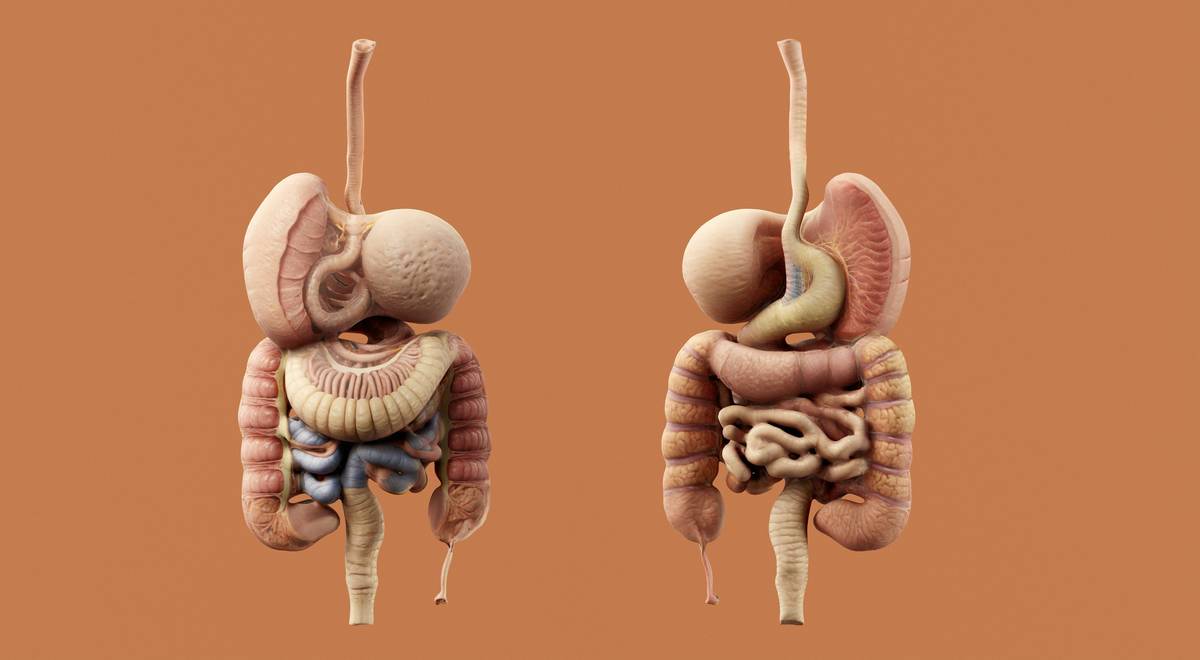
Your body produces digestive enzymes—protease for protein, lipase for fats, amylase for carbs—to chop food into absorbable nutrients. But here’s the gut-wrenching truth: enzyme production naturally declines with age. By 40, many people produce 30–50% less than they did at 25 (Journal of Clinical Gastroenterology, 2022). Add stress, processed diets, gut inflammation, or conditions like SIBO or pancreatic insufficiency, and you’ve got a recipe for undigested food fermenting in your colon—which explains the gassy aftermath of that innocent lentil soup.
I once recommended a popular “digestive aid” to a client without checking its label closely. Turns out, it contained 5mg of bromelain—equivalent to eating half a pineapple slice. She reported zero improvement. Lesson learned: if the dose isn’t therapeutic, it’s basically placebo confetti.
How to Choose Healthy Digestive Enzyme Supplements That Actually Work
Optimist You: “Just grab one off Amazon!”
Grumpy You: “Ugh, fine—but only if it’s not another $30 bottle of fairy dust.”
Choosing a quality supplement isn’t guesswork—it’s detective work. Here’s your step-by-step protocol:
1. Demand Full-Spectrum Enzyme Blends
Single-enzyme products (like “just lactase”) only solve part of the puzzle. Look for formulas containing:
- Amylase (carbs)
- Lipase (fats)
- Protease (proteins)
- Lactase (dairy sugar)
- Cellulase (plant fiber)
Without cellulase, your kale salad might as well be indigestible cardboard.
2. Check Activity Units, Not Milligrams
Supplement facts lists often hide behind “mg” counts. Real potency is measured in FCC units (e.g., HUT for protease, FIP for lipase). A clinically useful dose? At least 10,000–20,000 HUT of protease per serving (NIH Clinical Guidelines, 2021).
3. Prioritize Enteric Coating
Stomach acid can destroy enzymes before they reach the small intestine—their main work zone. Enteric-coated capsules resist gastric acid and dissolve where needed. Skip this, and you’re paying for enzymes that never activate.
4. Avoid Fillers and Allergens
Corn starch, magnesium stearate, dairy derivatives? Hard pass. These can irritate sensitive guts. Go for vegan, non-GMO, gluten-free formulas with clean excipients like rice flour or silica.
5. Verify Third-Party Testing
According to ConsumerLab (2023), 28% of digestive enzyme supplements failed potency tests. Look for NSF Certified for Sport, USP Verified, or Informed-Choice seals. If there’s no independent verification, assume it’s underdosed.
Best Practices for Taking Digestive Enzymes
- Timing is everything: Take 1 capsule right before or at the start of a meal. Taking them after? Like sending firefighters after the blaze is out.
- Dose according to meal size: A salad needs less than a Thanksgiving feast. Most brands allow 1–2 capsules per meal—adjust accordingly.
- Persistent symptoms = medical evaluation: If bloating continues despite proper enzyme use, rule out SIBO, pancreatic insufficiency, or celiac disease. Enzymes help—but aren’t magic fixes for underlying pathology.
- Store properly: Heat and humidity degrade enzymes. Keep bottles in a cool, dry place—not next to your boiling kettle.
⚠️ Terrible Tip Alert ⚠️
“Just double the dose for heavy meals!” Nope. Overloading can cause nausea or paradoxical indigestion. Stick to label guidelines unless directed otherwise by a GI specialist.
Real Results: What Happens When You Use the Right Enzymes?
Case Study: Sarah, 42, came to me with chronic post-meal fatigue and floating stools—a classic sign of fat malabsorption. Her usual “digestive support” had 5,000 LU (lipase units)—way below the 10,000+ needed for high-fat meals. We switched her to an enteric-coated, third-party tested formula with 25,000 LU lipase, 40,000 HUT protease, and added cellulase. Within 10 days, her energy improved, stools normalized, and she finally enjoyed avocado toast without fear.
Compare that to Mark, who bought a cheap Amazon blend labeled “broad spectrum” but tested via Labdoor to contain zero detectable lipase. He wondered why his steak dinners still left him doubled over. Moral? Label claims ≠ reality.
FAQs About Healthy Digestive Enzyme Supplements
Q: Can I take digestive enzymes daily?
A: Yes—for most people, short- to medium-term daily use is safe. Long-term use should be monitored by a healthcare provider, especially if you have pancreatic conditions.
Q: Are plant-based enzymes better than animal-derived?
A: Plant-based (from fungi or bacteria) work across a wider pH range and are vegan-friendly. Pancreatin (from pigs) mimics human enzymes closely but isn’t suitable for vegetarians. Both can be effective—if properly dosed.
Q: Do digestive enzymes help with weight loss?
A: Indirectly. Better digestion → better nutrient absorption → reduced cravings and bloating. But they’re not a weight-loss supplement. Anyone claiming otherwise is selling snake oil.
Q: Can kids take them?
A: Only under pediatric guidance. Some formulations are kid-safe, but dosing must be age-appropriate.
Q: What’s the difference between probiotics and digestive enzymes?
A: Probiotics are live bacteria that support gut flora; enzymes are proteins that break down food. They’re complementary—think of enzymes as the kitchen staff and probiotics as the cleanup crew.
Conclusion
Healthy digestive enzyme supplements aren’t about quick fixes—they’re about giving your body the tools it needs to do what it was designed to do: digest, absorb, and thrive. The right supplement, chosen with precision and taken consistently, can transform post-meal dread into digestive ease. Remember: potency, purity, and proper timing separate the gimmicks from the game-changers. Don’t just swallow a pill—swallow wisely.
Like a Tamagotchi, your gut needs daily care—but with fewer beeps and more broccoli.