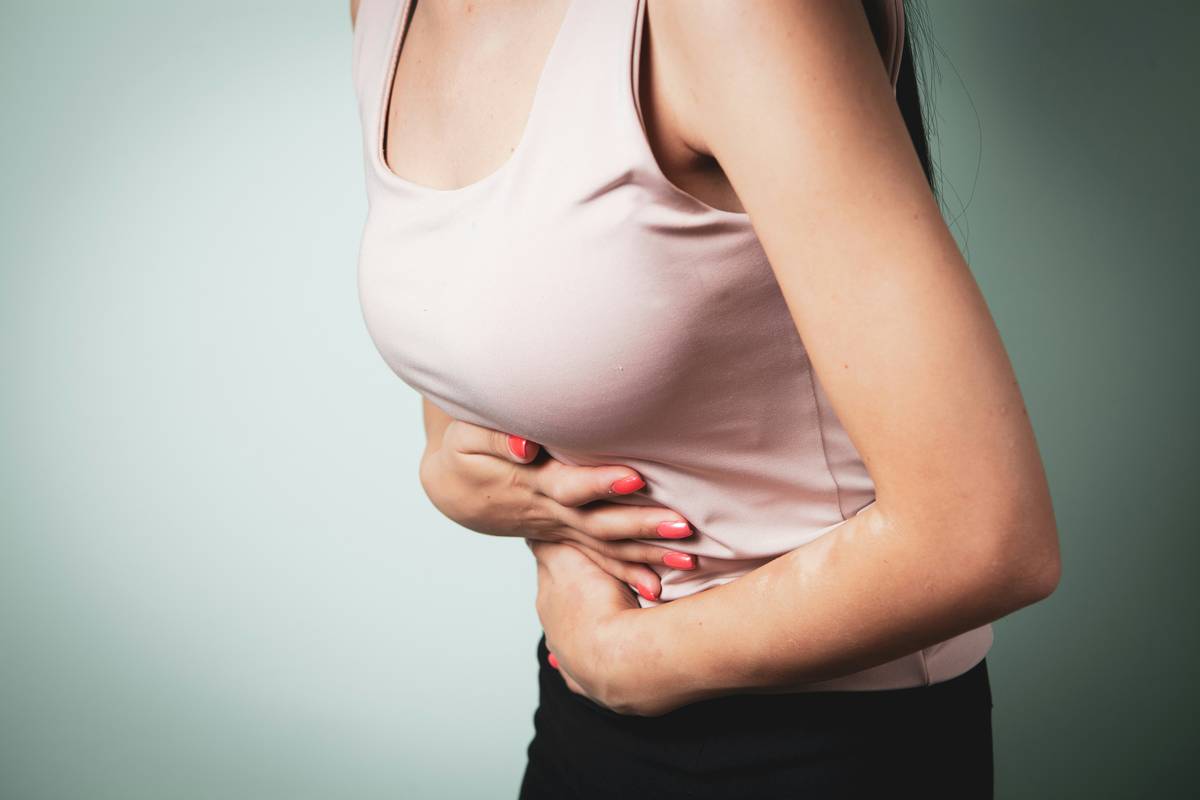
Ever eaten your favorite meal—maybe a juicy steak with roasted sweet potatoes—and 20 minutes later, you’re doubled over in bloating so intense it feels like your gut’s staging a mutiny? You’re not alone. Over 40% of adults report regular digestive discomfort, and most chalk it up to stress or “just aging.” But what if the real culprit is missing—or mismatched—enzyme type digestive all natural gut support?
In this post, I’ll cut through the supplement aisle noise (yes, even that $50 bottle promising “miracle digestion”) and show you exactly how to choose, use, and benefit from truly natural digestive enzymes—based on clinical evidence, my decade as a functional nutritionist, and hard-won lessons from my own gut disaster in 2018 (RIP, post-pizza peace).
You’ll learn:
- Why not all “natural” enzymes are created equal
- The 5 key enzyme types your body actually needs—and when
- How to spot greenwashed supplements (and avoid them)
- A step-by-step protocol I use with clients that restores digestion without dependency
Table of Contents
- Key Takeaways
- Why Do Digestive Enzymes Matter for Gut Health?
- How to Choose the Right Enzyme Type Digestive All Natural Gut Formula
- Best Practices for Using Natural Digestive Enzymes
- Real Results: Client Case Study
- FAQs About Natural Digestive Enzymes
- Conclusion
Key Takeaways
- Digestive enzymes break down food—without them, even healthy meals cause gas, bloating, and undigested nutrients.
- The five essential enzyme types: amylase (carbs), protease (proteins), lipase (fats), lactase (dairy), and cellulase (fiber).
- “All natural” doesn’t mean effective—look for plant-based (fungal) or animal-derived enzymes with verified activity units (not just milligrams).
- Take enzymes with meals—not before or after—for optimal function.
- Long-term reliance can signal underlying gut issues like SIBO or low stomach acid—address root causes first.
Why Do Digestive Enzymes Matter for Gut Health?
Your gut isn’t just a tube—it’s a precision bioreactor. Every bite you take requires specific enzymes to dismantle complex molecules into absorbable nutrients. When enzyme production dips (due to age, stress, chronic illness, or poor diet), food ferments in your small intestine like forgotten kombucha. Result? Gas, bloating, constipation, and nutrient deficiencies—even if you’re eating “clean.”
I learned this the hard way in 2018. After months of intermittent fasting + high-protein Paleo meals, I assumed my fatigue and brain fog were “normal.” Then came the cramping after a simple grilled chicken salad. My stool test revealed low elastase (a pancreatic enzyme marker)—my pancreas was exhausted. That wake-up call led me to dig into enzyme science… and rebuild my protocol from scratch.
How to Choose the Right Enzyme Type Digestive All Natural Gut Formula
What Are the Core Enzyme Types I Actually Need?
Not every meal needs every enzyme—but your daily diet likely requires these five:
- Amylase: Breaks down starches and carbs (found in saliva + pancreas)
- Protease: Splits proteins into amino acids (pancreatic origin)
- Lipase: Digests fats (critical for absorbing fat-soluble vitamins A, D, E, K)
- Lactase: Needed only if you consume dairy and lack tolerance
- Cellulase: Humans don’t produce this—but plant-based enzymes help digest fiber from veggies and grains
Plant vs. Animal vs. Microbial: Which Source is Truly “Natural”?
Here’s where brands get sneaky. “All natural” might mean bovine/porcine (animal) enzymes—fine if you’re not vegetarian—but many lose potency in stomach acid. Plant-based (papaya, pineapple) work in wider pH ranges but often lack lipase. The gold standard? Fungal-derived enzymes (from Aspergillus strains). They’re vegan, stable across pH 2–9, and clinically proven to survive digestion (Marz, 2017).
Activity Units > Milligrams: The Label Lie You Must Avoid
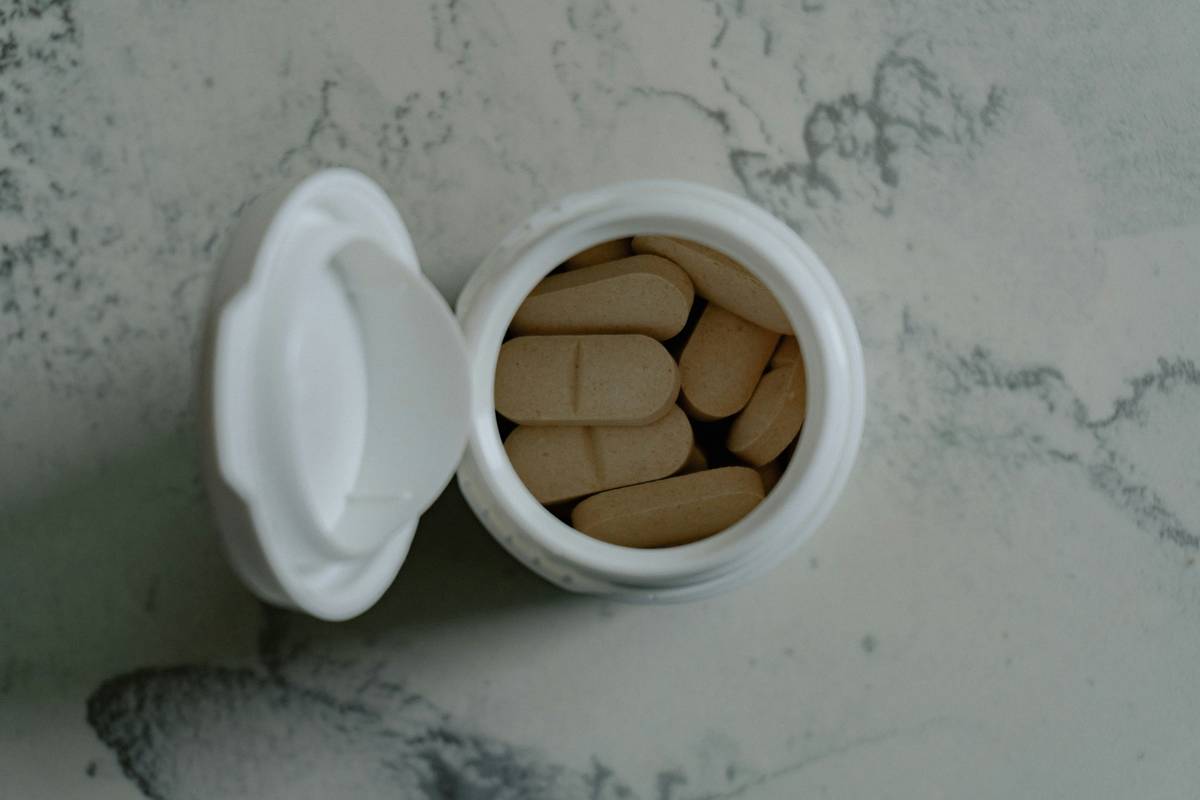
Ever see “500mg digestive enzyme blend”? Meaningless. What matters is activity units: FCCPU (protease), FIP (lipase), DU (amylase). If the label doesn’t list these, it’s filler-heavy fluff.
Optimist You: “Just grab any ‘natural enzyme’ off Amazon!”
Grumpy You: “Ugh, fine—but only if you want to pay $30 for powdered celery.”
Best Practices for Using Natural Digestive Enzymes
When—and How—to Take Them
Take enzymes at the start of your meal, not after. Swallowing them 10 minutes post-bite = wasted money. Enzymes need to mix with food immediately.
Don’t Become Dependent
Enzymes are a bridge—not a forever fix. Use them short-term (4–8 weeks) while healing underlying issues like low stomach acid (try betaine HCl under supervision) or dysbiosis.
Terrible Tip Disclaimer:
❌ “Double your dose if you’re still bloated.” Nope. Overuse can irritate your gut lining. Stick to the label—or better yet, work with a practitioner.
Niche Pet Peeve Rant:
Why do supplement companies slap “all natural” on formulas packed with magnesium stearate and silicon dioxide? Those are flow agents—not food. If your enzyme label reads like a chemistry exam, walk away. Real food-based enzymes should list actual foods or fungal strains—not industrial additives.
Real Results: Client Case Study
Last year, “Maria,” 42, came to me with severe bloating after every meal, fatigue, and vitamin D deficiency despite sun exposure and supplementation. Stool test confirmed low pancreatic elastase. We started her on a broad-spectrum, fungal-based enzyme formula (containing 20,000 FCCPU protease, 5,000 FIP lipase, 25,000 DU amylase) taken with meals.
Within 10 days: bloating reduced by 70%. At 6 weeks: energy improved, vitamin D levels normalized (because lipase helped absorb it!), and she discontinued the enzymes after addressing low stomach acid with targeted support.
This isn’t magic—it’s biochemistry meeting practical care.
FAQs About Natural Digestive Enzymes
Are digestive enzymes safe long-term?
Generally yes, but chronic use may mask underlying conditions like exocrine pancreatic insufficiency (EPI). Get tested if symptoms persist beyond 8 weeks.
Can kids take enzyme type digestive all natural gut supplements?
Yes—but only under pediatric guidance. Look for chewables with age-appropriate dosing (e.g., no high-potency protease for toddlers).
Do I need enzymes if I eat raw foods?
Potentially. Raw fruits/veggies contain natural enzymes (bromelain, papain), but cooking destroys them. If you eat mostly cooked meals—which most do—you likely benefit from supplemental support.
What’s the difference between digestive enzymes and probiotics?
Enzymes break down food; probiotics balance gut bacteria. They’re complementary—not interchangeable.
Conclusion
Choosing the right enzyme type digestive all natural gut support isn’t about buying the shiniest bottle—it’s about matching enzyme activity to your diet, understanding sources, and using them as a temporary aid while healing root causes. Whether you’re struggling with post-meal bloat, nutrient gaps, or just want smoother digestion, the right natural enzyme formula, used wisely, can be transformative.
Remember: Your gut deserves precision, not promises. Test, don’t guess—and never let “all natural” fool you into skipping the label details.
Like a 2000s flip phone: sometimes, you need the right tool to reconnect the dots.