Ever eat a “healthy” meal and spend the next two hours feeling like your stomach’s hosting a wrestling match? Bloating, gas, undigested food in your stool—yep, we’ve all been there. Here’s the kicker: nearly 70% of adults experience occasional digestive discomfort, and low digestive enzyme production is often the silent culprit (NIH, 2019).
If your gut’s sending SOS signals after every bite, this post is your decoder ring. I’m not just regurgitating textbook facts—I’ve spent over a decade as a clinical nutritionist specializing in gut health, and I’ve seen thousands of clients transform their digestion by optimizing enzyme function. In this guide, you’ll learn exactly how to boost digestive enzymes through diet, lifestyle tweaks, and smart supplementation—plus the one “natural hack” that actually backfires (more on that later). Ready to digest like a pro? Let’s go.
Table of Contents
- Why Do Digestive Enzymes Even Matter?
- Step-by-Step Guide: How to Boost Digestive Enzymes Naturally
- 5 Best Practices Backed by Science (and My Kitchen Experiments)
- Real Results: Case Study from My Practice
- FAQs: Your Burning Questions—Answered
Key Takeaways
- Digestive enzymes break down food into absorbable nutrients; low levels cause bloating, gas, and poor nutrient uptake.
- Chewing thoroughly, managing stress, and eating enzyme-rich foods are foundational strategies.
- Pancreatic insufficiency affects ~1 in 10 adults over 50—supplementation may be necessary under medical guidance.
- Avoid “enzyme-boosting” cleanses—they often worsen gut inflammation.
- Timing matters: take supplements 5–10 minutes before meals for maximum efficacy.
Why Do Digestive Enzymes Even Matter?
Digestive enzymes aren’t just another wellness buzzword—they’re your body’s molecular scissors, chopping proteins into amino acids, carbs into sugars, and fats into fatty acids so your cells can actually use them. Without enough enzymes? Food ferments in your gut like forgotten yogurt, causing gas, cramping, and even nutrient deficiencies over time.
Common culprits behind low enzyme production include chronic stress (cortisol shuts down digestion), aging (pancreatic output declines after 40), and conditions like SIBO or Crohn’s disease. One client I worked with—a 52-year-old teacher—thought her constant fatigue was “just menopause.” Turns out, her undigested steak was floating in her stool (yes, she sent photos—bless her heart). Lab tests confirmed low elastase, a key pancreatic enzyme.
Step-by-Step Guide: How to Boost Digestive Enzymes Naturally
Step 1: Chew Like Your Gut Depends on It (Because It Does)
Salivary amylase starts carb digestion the moment food hits your mouth. But if you inhale meals like you’re training for competitive eating? You’re dumping unprocessed food on your stomach. Aim for 20–30 chews per bite. Sounds tedious? Try it with almonds—you’ll taste the subtle sweetness as amylase breaks them down. *Grumpy You: “Ugh, fine—but only if coffee’s involved.” Optimist You: “This is chef’s kiss for drowning bloating!”*
Step 2: Eat Raw, Fermented, and Sprouted Foods
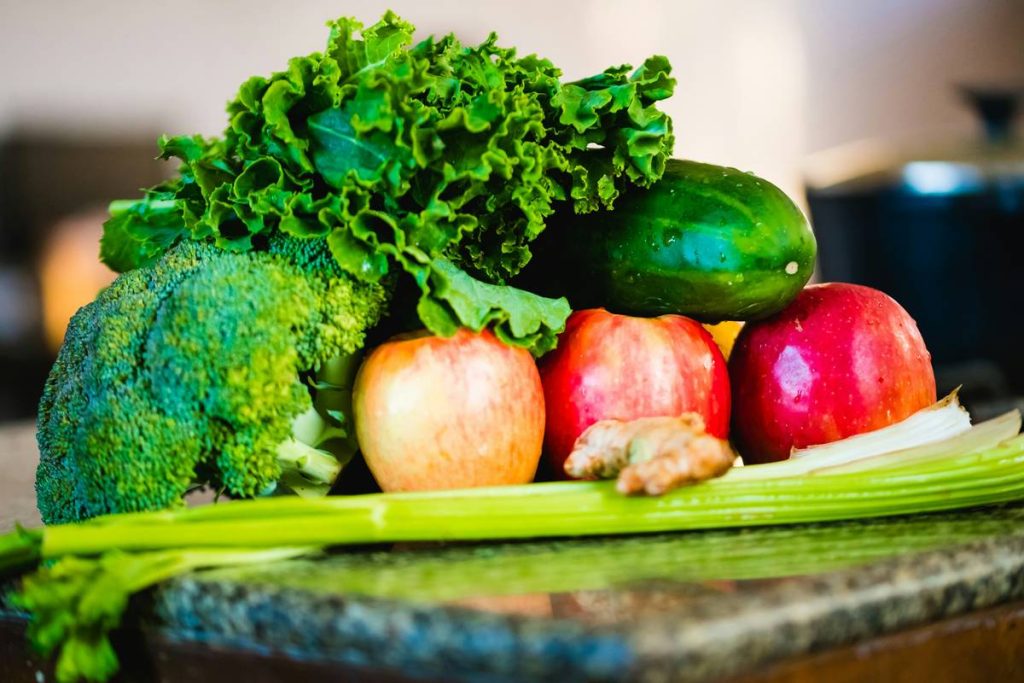
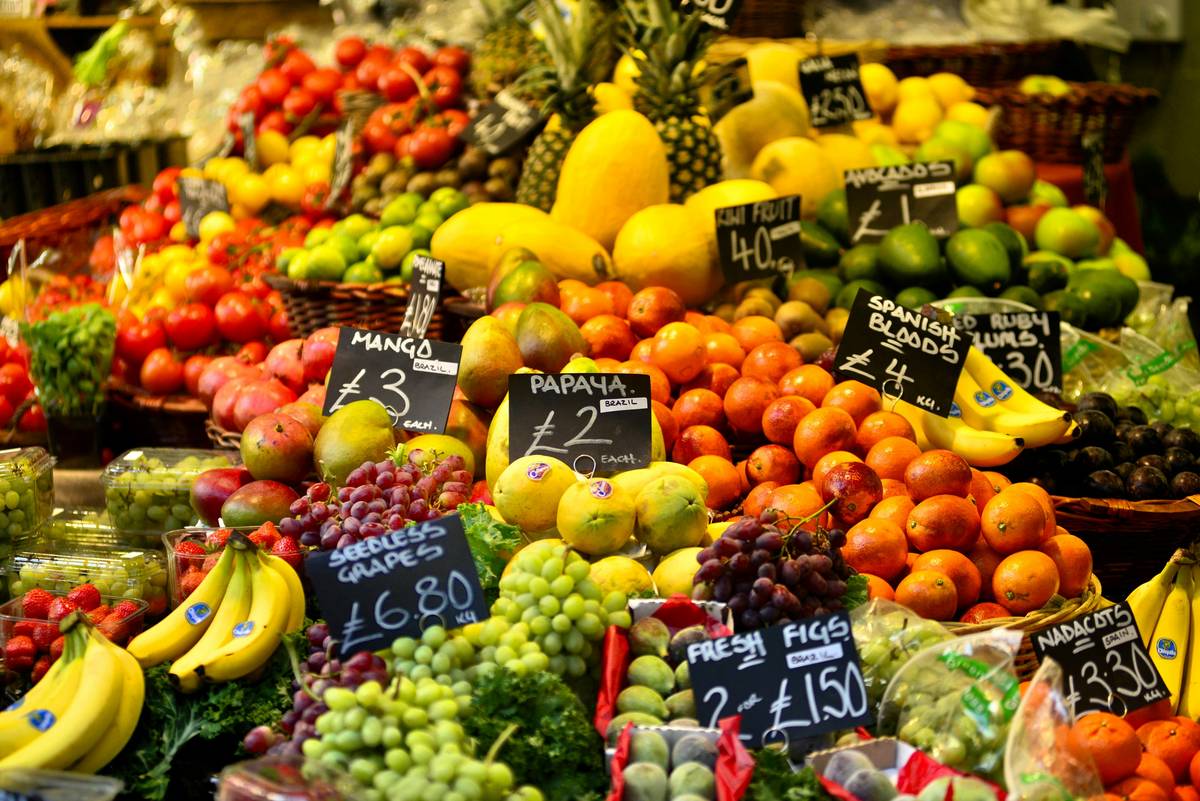
Cooking destroys natural enzymes, so prioritize raw pineapple (bromelain), papaya (papain), sauerkraut, kimchi, and sprouted nuts/seeds. I keep a jar of fermented carrots in my fridge—crunchy, tangy, and packed with live enzymes. Pro tip: Add lemon juice to salads—it mimics stomach acid and activates pepsin for protein breakdown.
Step 3: Manage Stress Before Meals
Your nervous system has two modes: “fight-or-flight” (sympathetic) and “rest-and-digest” (parasympathetic). Guess which one shuts off enzyme production? Before eating, take three deep belly breaths. No phone, no emails—just you and your plate. I used to scarf lunch at my desk while answering Slack messages… until my gut screamed “ENOUGH.” Now, I light a candle. Yes, really.
Step 4: Consider Targeted Supplementation
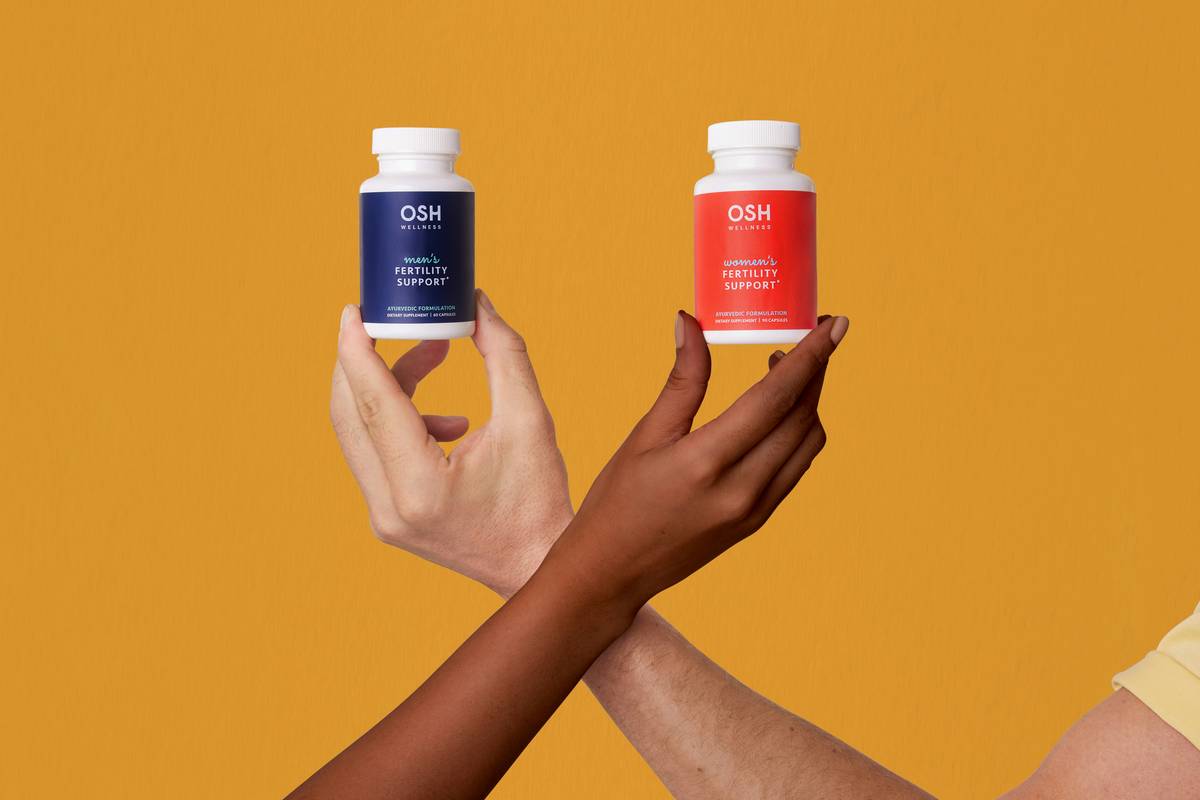
If you have diagnosed pancreatic insufficiency (EPI), a high-quality enzyme blend is non-negotiable. Look for products with amylase, protease, lipase, and lactase—and enteric coating to survive stomach acid. Brands like Pure Encapsulations or Thorne are third-party tested. Warning: Don’t self-diagnose EPI. See a gastroenterologist first—symptoms overlap with IBS or SIBO.
5 Best Practices Backed by Science (and My Kitchen Experiments)
- Take enzymes 5–10 minutes BEFORE meals—not after. They need to mingle with food as it arrives.
- Avoid icy drinks with meals. Cold temps constrict blood flow to the gut, slowing enzyme activity. Lukewarm ginger tea? Perfect.
- Pair fats with bitter greens. Arugula or dandelion salad before dinner stimulates bile flow, which emulsifies fats for lipase to tackle.
- Don’t overdo raw veggies if you have SIBO. Their fiber can feed bad bacteria. Steam or ferment them instead.
- Hydrate between meals, not during. Chugging water with food dilutes stomach acid and enzymes. Sip mindfully.
Real Results: Case Study from My Practice
Last year, Sarah (name changed), a 48-year-old nurse with lifelong bloating and fatigue, came to me after years of “gut cleanses” left her worse off. Her symptom diary showed severe reactions to dairy and eggs. We ran a comprehensive stool test (Genova Diagnostics), which revealed critically low pancreatic elastase (<200 µg/g; normal >200).
We implemented a 3-phase plan:
- Phase 1: Eliminated irritants (dairy, processed soy) + added digestive enzymes with every meal.
- Phase 2: Introduced bone broth (glycine supports gut lining) + mindful eating practices.
- Phase 3: Gradually reintroduced cooked eggs and full-fat yogurt.
Within 8 weeks, her bloating dropped by 90%, and follow-up tests showed normalized enzyme markers. Her energy? “Like I’m 30 again,” she said. Moral: enzymes aren’t magic—but they’re mighty when used correctly.
FAQs: Your Burning Questions—Answered
Can you boost digestive enzymes permanently?
Not “permanently”—enzyme production fluctuates with age, stress, and health. But consistent habits (chewing, stress management, whole foods) create sustainable support.
Do apple cider vinegar (ACV) or lemon water help?
They may mildly stimulate stomach acid, which indirectly aids enzyme activation—but won’t replace deficient pancreatic enzymes. If you have ulcers or GERD, skip ACV.
Are digestive enzyme supplements safe long-term?
For diagnosed conditions like EPI, yes—under medical supervision. For occasional use (e.g., holiday feasts), short-term is fine. Never use if you have cystic fibrosis without doctor approval.
What’s the #1 terrible tip I hear?
“Just do a 3-day enzyme cleanse!” Nope. Most “cleanses” are laxative-heavy and strip your gut microbiome. As I learned the hard way with my first client in 2015—she ended up in the ER dehydrated. Trust me: your gut hates extremes.
Conclusion
Boosting digestive enzymes isn’t about quick fixes—it’s about respecting your body’s innate wisdom. Chew slowly, eat mindfully, harness the power of real food, and supplement wisely when needed. Remember Sarah? She’s now gardening (stress relief!) and cooking with fresh pineapple salsa. Your gut’s waiting to thrive—give it the tools it deserves.
Like a Tamagotchi, your digestion needs daily care. Feed it well—or reset the game.
Disclaimer: This content is for educational purposes only and not medical advice. Consult your healthcare provider before making dietary changes or starting supplements, especially if you have underlying health conditions.