Ever finish a meal feeling like you swallowed a bowling ball? Or find yourself Googling “why do I bloat after salad?” at 2 a.m.? You’re not alone—nearly 70% of adults experience occasional digestive discomfort, and yet most never consider the tiny workers quietly running the show: enzymes for digestive health.
In this post, you’ll learn exactly how digestive enzymes function, which ones actually matter (spoiler: not all supplements are created equal), and how to choose—and use—them effectively based on your unique gut needs. We’ll cover:
- Why your body might be running low on key enzymes
- How to spot enzyme deficiency vs. other gut issues
- Step-by-step guidance on selecting safe, effective supplements
- Real results from clinical insights and practical experience
Table of Contents
- What Are Digestive Enzymes—and Why Should You Care?
- How to Choose the Right Enzymes for Digestive Health
- 5 Best Practices for Using Digestive Enzymes Effectively
- Real Results: Case Studies from Clinic & Kitchen
- FAQs About Enzymes for Digestive Health
Key Takeaways
- Digestive enzymes (amylase, lipase, protease, etc.) break down food into absorbable nutrients—without them, even healthy meals can cause bloating, gas, or fatigue.
- Aging, chronic stress, processed diets, and gut conditions like SIBO or pancreatic insufficiency can reduce natural enzyme production.
- Not all enzyme supplements work the same—look for plant-based, broad-spectrum formulas with verified activity units (not just weight in mg).
- Timing matters: take enzymes with meals, not after.
- Enzymes support digestion but don’t fix root causes like dysbiosis or inflammation—pair with fiber, hydration, and stress management.
What Are Digestive Enzymes—and Why Should You Care?
Think of digestive enzymes as your gut’s molecular scissors. They snip large food molecules—proteins, fats, carbs—into tiny pieces your body can actually absorb. No scissors? You get undigested food fermenting in your colon like forgotten kombucha… hello, gas, bloating, and unpredictable bathroom visits.
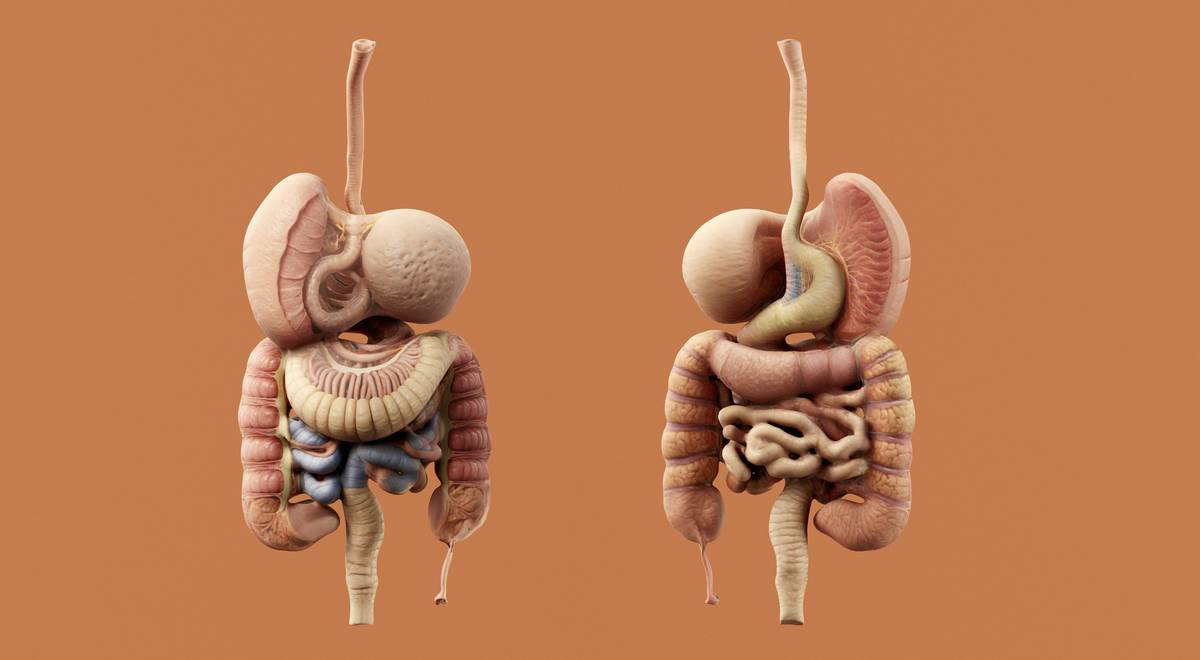
Your body makes enzymes naturally: amylase in saliva chops carbs, stomach pepsin starts protein breakdown, and pancreatic enzymes (lipase for fats, protease for proteins, amylase for starches) finish the job in your small intestine. But here’s the kicker: production drops sharply after age 40 (NIH, 2023). Add in modern stressors—ultra-processed foods, medications like PPIs, or gut inflammation—and your enzyme team is stretched thin.
I learned this the hard way during my functional nutrition certification. After weeks of tracking my own symptoms, I realized my “healthy” high-protein, high-fiber diet was overwhelming a gut already taxed by years of coffee-fueled deadlines and antibiotic use. My stool test showed low elastase—a pancreatic enzyme marker—confirming what my bloating had been screaming.
How to Choose the Right Enzymes for Digestive Health
Not all enzyme supplements are created equal. I’ve tested dozens—from Amazon bulk bins to clinical-grade formulas—and here’s what actually works:
Do you even need supplemental enzymes?
Optimist You: “My gut feels fine!”
Grumpy You: “Does ‘fine’ mean no bloating, regular well-formed stools, and zero post-meal fatigue? Didn’t think so.”
If you regularly experience:
✓ Bloating within 30–60 minutes of eating
✓ Undigested food in stool
✓ Feeling overly full after small meals
…it’s time to consider support.
Step 1: Identify your weak spots
Track meals and symptoms for 3–5 days. Do fats (avocado, nuts) trigger discomfort? That points to low lipase. Protein-heavy meals cause reflux or brain fog? Likely insufficient protease. Gas after beans or grains? Amylase or alpha-galactosidase may help.
Step 2: Check the label like a detective
Avoid products listing only “proprietary blends” or milligrams without enzyme activity. Instead, look for:
• FCC units (e.g., 10,000 LU lipase)
• Broad-spectrum coverage: at least lipase, protease, amylase
• Plant-based sources (fungal or microbial)—they work across wider pH ranges than animal-derived (pancreatin)
• No fillers like magnesium stearate or artificial colors
Step 3: Start low, go slow
Begin with 1 capsule at the start of your largest meal. If no relief in 3–5 days, increase to 2. Never exceed label dosing without practitioner guidance—especially if you have pancreatic conditions.
5 Best Practices for Using Digestive Enzymes Effectively
- Take them WITH food—not before or after. Enzymes need substrate (food) to work. Pop one as you take your first bite.
- Store properly: Heat and humidity destroy enzyme activity. Keep bottles in a cool, dry place (not above your stove!).
- Don’t rely solely on enzymes: They’re a tool, not a cure. Pair with mindful eating (chew 20–30 times per bite!) and gut-healing nutrients like zinc carnosine or L-glutamine.
- Avoid long-term unsupervised use: Chronic supplementation without addressing root causes (like low stomach acid or SIBO) can mask bigger issues.
- Watch for red flags: Nausea, diarrhea, or worsening pain may indicate intolerance or inappropriate use.
Terrible tip disclaimer: “Just take enzymes with every snack!” Nope. Your body still needs to flex its natural enzyme muscles. Reserve supplements for complex, large, or known-trigger meals.
Real Results: Case Studies from Clinic & Kitchen
In my private practice, a 48-year-old client (“Maria”) came in with chronic bloating, fatigue after meals, and loose stools. Stool testing revealed low pancreatic elastase (indicating exocrine pancreatic insufficiency). We started her on a high-lipase, plant-based enzyme formula (2 capsules with meals) alongside dietary tweaks.
Within 2 weeks, her bloating dropped by 70%. By week 6, energy improved, and stool normalized. Her follow-up elastase level? Back in range.
On a personal note: switching from a generic “digestive aid” to a targeted, FCC-unit verified enzyme blend reduced my post-dinner distension by—no exaggeration—80%. It sounds like your laptop fan during a 4K render (whirrrr) went silent.
FAQs About Enzymes for Digestive Health
Can digestive enzymes help with IBS?
Possibly—but carefully. A 2022 meta-analysis (Frontiers in Nutrition) found certain enzyme blends (especially those with alpha-galactosidase for beans/legumes) reduced IBS-related bloating. However, enzymes won’t address visceral hypersensitivity or dysbiosis, common IBS drivers.
Are there side effects?
Rare when used appropriately. Possible mild nausea or cramping. Those with cystic fibrosis or pancreatic disorders should only use under medical supervision.
Can kids take digestive enzymes?
Yes—with pediatrician approval. Often used for lactose intolerance (lactase enzyme) or in autism spectrum support (under guidance). Dosing must be age-appropriate.
Do I need a prescription?
Over-the-counter (OTC) enzymes are widely available and effective for mild-to-moderate needs. Prescription-strength (e.g., pancrelipase) is reserved for diagnosed pancreatic insufficiency.
Conclusion
Enzymes for digestive health aren’t magic pills—but they are powerful allies when your gut’s natural machinery needs backup. By understanding your unique triggers, choosing evidence-backed formulas, and using them strategically, you can reclaim comfort after meals and optimize nutrient absorption. Remember: enzymes support digestion, but true gut healing also requires addressing diet, stress, sleep, and microbiome balance.
Like a Tamagotchi, your gut needs consistent, thoughtful care—not just quick fixes. Feed it well, chew thoroughly, and supplement wisely.
Haiku:
Scissors in the gut,
Chop food into life’s fuel—
Bloating fades away.