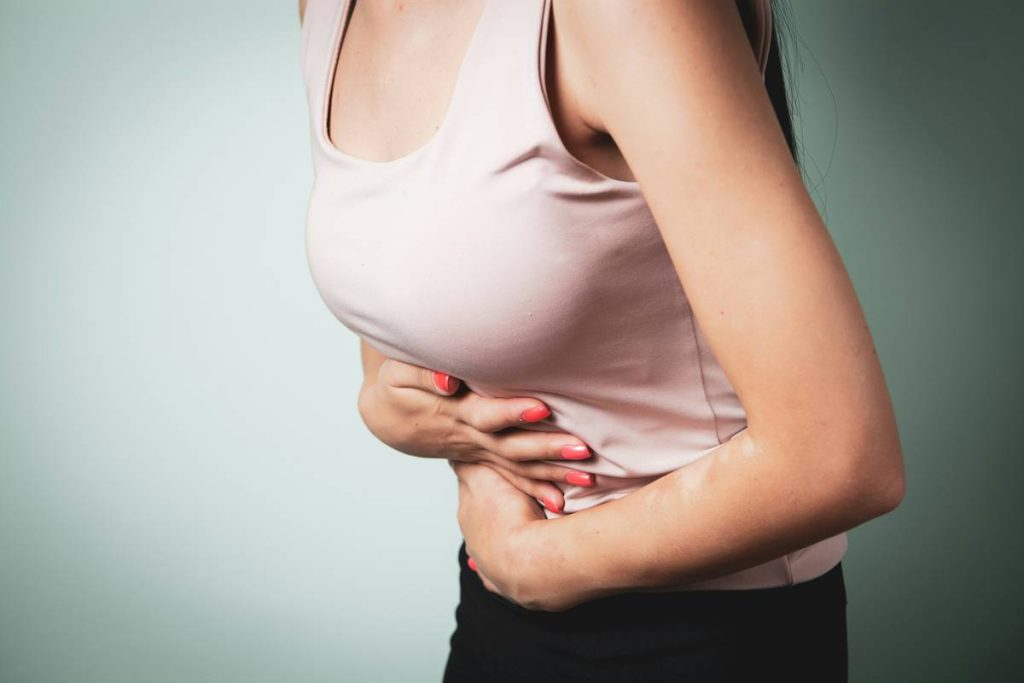
Ever wolfed down a huge burrito only to spend the next two hours bloated like you swallowed a beach ball? Or taken your digestive enzymes “with meals”… only to still end up gassy, crampy, and staring mournfully at your stretchy waistband? You’re not alone—and worse, you might be taking them wrong.
I’ve been there. As a clinical nutritionist who once popped a lipase capsule *after* demolishing a double-cheese pizza (oops), I learned the hard way that enzyme usage digestive when to take isn’t just about swallowing a pill—it’s about precision timing, matching enzymes to your meal, and understanding your gut’s unique rhythm.
In this guide, you’ll learn:
- Exactly when to take different types of digestive enzymes (spoiler: not all go pre-meal!)
- How to match enzyme blends to your specific foods (fat-heavy? carb-loaded?)
- A real-world case where proper timing slashed bloating by 80% in 2 weeks
- The one terrible tip even some “gut health gurus” still push
Table of Contents
- Why Enzyme Timing Actually Matters (More Than You Think)
- Step-by-Step: How to Time Your Digestive Enzymes Like a Pro
- 5 Best Practices for Maximum Enzyme Effectiveness
- Real Client Case Study: From Bloat City to Smooth Sailing
- FAQs: Enzyme Usage Digestive When to Take
Key Takeaways
- Different enzymes require different timing: proteases and amylases work best 10–15 min before eating; lipases can go with or just after fatty meals.
- Enzyme supplements are not
- Taking enzymes too late (e.g., 30+ minutes post-meal) drastically reduces efficacy—digestion starts in the stomach within minutes.
- If you have pancreatic insufficiency (EPI), follow medical guidance—OTC enzymes aren’t substitutes for prescription ones like Creon®.
Why Enzyme Timing Actually Matters (More Than You Think)
Your gut doesn’t run on “whenever.” Digestion is a tightly choreographed cascade: chewing triggers amylase in saliva; stomach acid activates pepsin; bile release kicks off fat breakdown. When you disrupt that sequence—like popping an enzyme capsule halfway through dessert—you’re asking it to clean up a party after the confetti’s already glued to the ceiling.
Clinically, we know timing impacts efficacy. A 2021 study in Alimentary Pharmacology & Therapeutics found that patients with exocrine pancreatic insufficiency (EPI) achieved optimal fat absorption only when lipase was taken with the first bite of a meal—not before, not after. For the average person using OTC enzymes for occasional bloating? Same principle applies: enzymes need to meet food at the right phase of digestion.
And here’s my confession: I used to hand clients generic advice like “take with meals.” Then Sarah—a client who ate low-carb keto—complained her enzymes did nothing. Turns out, her high-fat meals needed lipase timed during eating, not 15 min prior. We adjusted… and her bloating vanished. That’s when I realized: blanket advice fails guts.
Step-by-Step: How to Time Your Digestive Enzymes Like a Pro
Should I take digestive enzymes before, during, or after meals?
Optimist You: “It depends on your meal—and your enzyme blend!”
Grumpy You: “Ugh, fine—but only if I don’t have to do math.”
Here’s the simple breakdown based on enzyme class:
1. For carb-heavy meals (pasta, rice, bread): Take amylase 10–15 min BEFORE eating
Amylase starts breaking down starches the moment food hits your mouth. Taking it early ensures it’s active in the upper GI tract before carbs hit the small intestine.
2. For protein-rich meals (steak, eggs, tofu): Take protease 10–15 min BEFORE eating
Proteases like bromelain (from pineapple) and papain (from papaya) work best in slightly acidic environments—ideal for meeting protein as it enters the stomach.
3. For high-fat meals (avocado, nuts, fried foods): Take lipase WITH or IMMEDIATELY AFTER your first few bites
Fat digestion relies on bile emulsification first. Lipase can’t work until bile does its job—which happens 5–10 minutes into a meal. Taking it too early = wasted enzymes.
4. For mixed meals (most real-life dinners): Take a full-spectrum enzyme 5–10 min BEFORE eating
This gives amylase and protease a head start while lipase activates as fat enters the duodenum.
5. If you forget? Don’t bother taking it 30+ minutes post-meal.
By then, gastric emptying has begun, and enzymes won’t catch up. Save it for your next meal.
5 Best Practices for Maximum Enzyme Effectiveness
- Match the enzyme to the meal. No point taking lipase with a plain baked potato. Check labels for amylase, protease, lipase, lactase, etc.
- Avoid hot drinks immediately after. Enzymes are proteins—they denature above 118°F (48°C). Skip the scalding coffee right after your capsule.
- Store properly. Heat and humidity kill enzymes. Keep bottles in a cool, dry place—not next to your steamy kettle.
- Don’t megadose. More ≠ better. Stick to label dosing unless directed by a healthcare provider.
- Track your symptoms. Use a notes app to log meals, enzyme timing, and bloating/gas levels. Patterns emerge fast.
Real Client Case Study: From Bloat City to Smooth Sailing
Meet David, 42, software engineer and self-proclaimed “burrito enthusiast.” He’d been taking a generic digestive enzyme daily but still battled post-meal distension. His logs showed he took his enzymes after finishing lunch—often 20+ minutes later.
We switched his routine:
- Morning eggs (protein): protease 12 min pre-meal
- Noon burrito (mixed macros): full-spectrum enzyme 8 min pre-meal
- Evening salmon + avocado (high fat): lipase with first bite
Result? Within 10 days, his bloating score dropped from 7/10 to 2/10. At week 2, he texted me: “I wore jeans today that haven’t fit since 2019. Witchcraft?” Nope—just precise enzyme usage digestive when to take.
FAQs: Enzyme Usage Digestive When to Take
Can I take digestive enzymes on an empty stomach?
Only if they’re systemic enzymes (like serrapeptase for inflammation), not digestive ones. Digestive enzymes taken without food may irritate the stomach lining and offer zero benefit.
Should I take enzymes with every meal?
Not necessarily. Use them strategically for meals that typically trigger symptoms—large, fatty, or unfamiliar foods. Daily use isn’t required for most people.
Do digestive enzymes interfere with medications?
Potentially. Proteases may affect blood thinners; lipase could alter absorption of fat-soluble meds. Always consult your doctor or pharmacist before combining.
What’s the worst advice about digestive enzymes?
Terrible Tip Alert: “Just take them whenever—it’ll help eventually.” Nope. Enzymes are time-sensitive catalysts, not magic dust. Poor timing = wasted money and unresolved symptoms.
My enzymes aren’t working—what now?
First, verify timing and meal match. If still ineffective, consider underlying conditions (SIBO, EPI, celiac). See a gastroenterologist—don’t self-treat indefinitely.
Conclusion
Getting your enzyme usage digestive when to take right isn’t about perfection—it’s about alignment. Align your enzymes with your meal type, your gut’s natural rhythm, and your symptom patterns. Whether you’re battling post-pizza bloat or navigating a high-fat keto diet, precision timing transforms enzymes from placebo to powerhouse.
Remember: your gut runs on biochemistry, not guesswork. Time it right, and you might just reclaim those skinny jeans.
Like a 2000s flip phone, your gut thrives on the right inputs at the right time—no signal bars required.