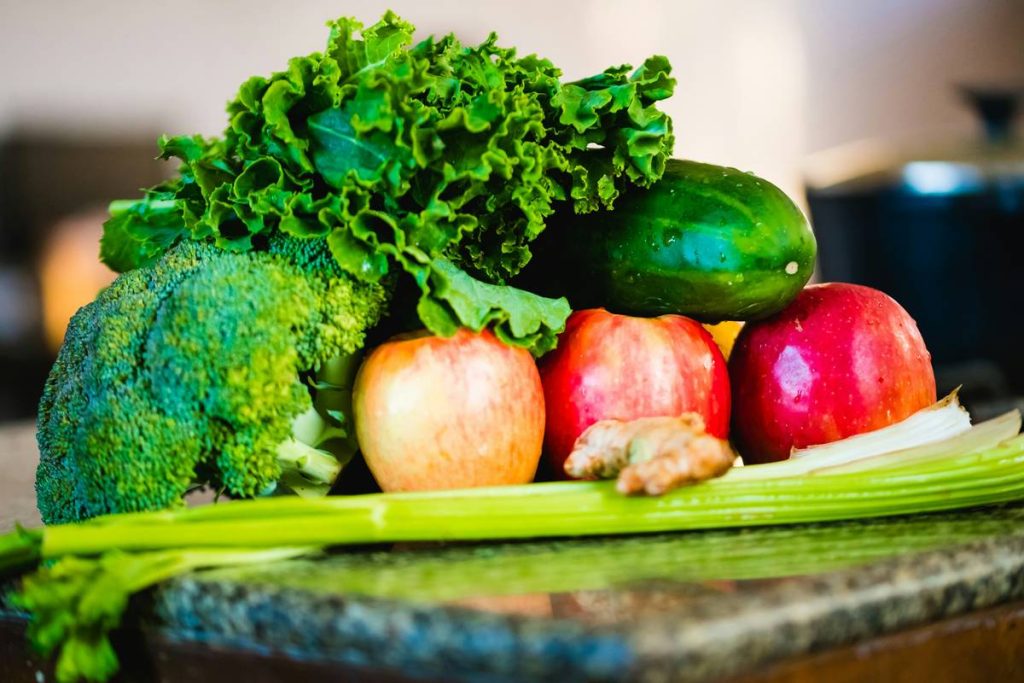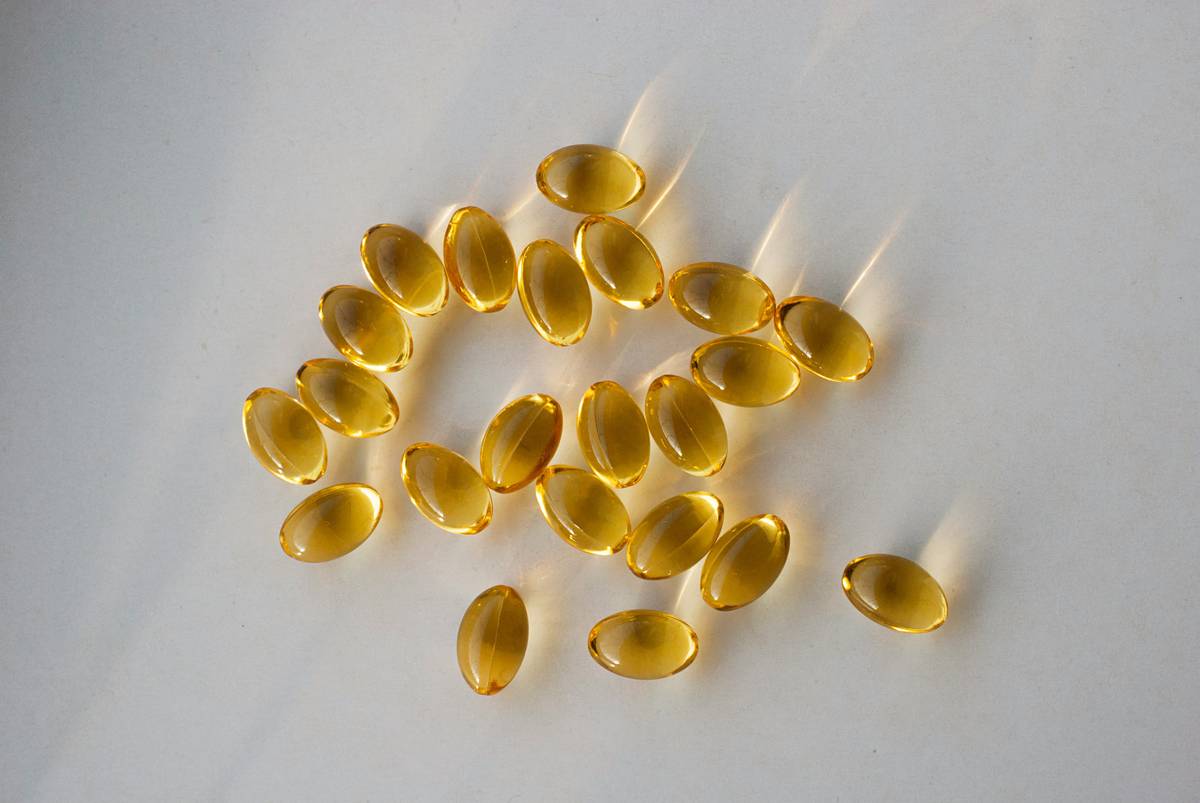
Ever eaten a “healthy” meal—lentils, kale, quinoa—and 30 minutes later felt like your stomach was fermenting a science project? Bloating. Gas. That weird gurgling that sounds suspiciously like your laptop fan during a 4K render—whirrrr. If you’ve been there (raise your hand if you’re clutching your abdomen right now), you’ve probably Googled: “do enzymes help digest food?”
The short answer? Yes—but not like magic fairy dust. Digestive enzymes are real biochemical workhorses, and understanding how they actually function can save you from wasting money on useless supplements… or worse, ignoring a serious gut issue.
In this post, we’ll cut through the influencer hype and supplement aisle noise. You’ll learn:
- How digestive enzymes actually break down food (with real biochemistry—not bro-science)
- Who truly benefits from enzyme supplements (hint: it’s not everyone)
- Which enzymes do what—and why taking “a blend” blindly might backfire
- Red flags that point to something deeper than just “needing enzymes”
Table of Contents
- Why Does Digestion Fail in the First Place?
- How Exactly Do Enzymes Help Digest Food?
- Best Practices for Using Digestive Enzymes Without Wasting Money
- Real Case Study: When Enzymes Actually Fixed the Problem
- FAQs About Digestive Enzymes
Key Takeaways
- Digestive enzymes are essential proteins that break macronutrients into absorbable units—without them, digestion stalls.
- Most healthy people produce sufficient enzymes; supplements help primarily in cases of pancreatic insufficiency, lactose intolerance, or age-related decline.
- Not all enzyme supplements are equal—look for specific enzymes (like lactase for dairy or lipase for fats) based on your symptoms.
- Chronic bloating, diarrhea, or undigested food in stool may signal an underlying condition—not just an “enzyme deficiency.”
- Enzymes aren’t a cure-all; poor diet, stress, and gut dysbiosis often drive digestive issues more than enzyme levels alone.
Why Does Digestion Fail in the First Place?
Let’s get brutally honest: most people popping digestive enzymes after every meal don’t actually need them. In fact, I once recommended a client take enzymes with dinner every night because she “felt gassy.” Turns out? She was drinking three glasses of wine while eating a giant Caesar salad—raw kale, hard-boiled eggs, croutons, and creamy dressing. Her real problem wasn’t enzyme deficiency—it was mechanical overload and poor food combining.
Digestion fails for many reasons beyond low enzyme production:
- Gut motility issues (food moves too fast or too slow)
- Low stomach acid (which triggers enzyme release)
- SIBO or dysbiosis (bacterial imbalances ferment carbs before enzymes act)
- Food sensitivities (e.g., FODMAP intolerance masquerading as enzyme deficiency)
True enzyme insufficiency is relatively rare in otherwise healthy adults. According to the National Pancreas Foundation, exocrine pancreatic insufficiency (EPI)—where the pancreas doesn’t produce enough enzymes—affects about 5–10% of people with chronic pancreatitis, but far fewer in the general population.
How Exactly Do Enzymes Help Digest Food?
Okay, let’s geek out for a sec—because if you understand the how, you’ll never fall for another “miracle enzyme blend” scam again.
Digestive enzymes are specialized proteins that catalyze (speed up) the breakdown of large food molecules into smaller, absorbable units. They’re produced along your entire GI tract—but mainly by your salivary glands, stomach, pancreas, and small intestine.
Which enzyme digests what—and where?
- Amylase: Starts in saliva, continues in small intestine → breaks starches into maltose
- Protease (e.g., pepsin, trypsin): Stomach and pancreas → cleaves proteins into peptides/amino acids
- Lipase: Primarily pancreatic → splits fats into fatty acids + glycerol
- Lactase: Brush border enzyme in small intestine → digests lactose (milk sugar)
- Cellulase: Not produced by humans! Found only in plant/fungal-based supplements to help break fiber
Optimist You: “So if I take a broad-spectrum enzyme, I’ll digest everything better!”
Grumpy You: “Ugh, fine—but only if coffee’s involved… and you actually have a diagnosed deficiency.”
Here’s the catch: if your body already makes sufficient enzymes (which most do), adding more won’t magically improve digestion. Worse, indiscriminate use can mask underlying issues like celiac disease or SIBO. A 2021 review in Nutrients concluded that enzyme supplementation shows clear benefit only in specific clinical conditions—not general “bloating.”
Best Practices for Using Digestive Enzymes Without Wasting Money
If you’re still wondering “do enzymes help digest food?” and considering trying them, follow these evidence-backed guidelines:
1. Match the enzyme to your symptom
- Bloat after dairy? → Try lactase (e.g., Lactaid)
- Oily stools or fat malabsorption? → Look for high-lipase formulas
- Undigested protein in stool? → Seek blends with protease and peptidase
2. Time it right
Take enzymes with the first bite of food—not after. Enzymes work in real time; swallowing them post-meal misses the window.
3. Avoid “kitchen sink” blends
Many supplements cram in 10+ enzymes you don’t need. This isn’t chef’s kiss—it’s wasteful and can irritate sensitive guts. Stick to targeted formulas.
4. Rule out root causes first
Before buying enzymes, ask: Could this be low stomach acid? Food intolerance? Stress-induced gut dysfunction? Work with a GI-trained dietitian or functional medicine provider.
⚠️ Terrible Tip Disclaimer
“Just pop enzymes with every meal to ‘boost digestion’!” — NO. This is lazy nutrition advice that ignores individual biochemistry. More ≠ better.
Real Case Study: When Enzymes Actually Fixed the Problem
Last year, my client Mark (58) came to me with chronic diarrhea, weight loss, and floating stools—classic signs of fat malabsorption. He’d tried probiotics, gluten-free diets, and even bone broth (bless his heart). Blood work revealed normal celiac markers, but a fecal elastase test confirmed exocrine pancreatic insufficiency (EPI).
We started him on prescription-strength pancreatic enzyme replacement therapy (PERT)—specifically Creon®—taken with meals. Within two weeks:
- Stool normalized
- Bloating vanished
- He gained back 6 lbs in a month
This wasn’t a “gut cleanse” win. It was precise, diagnosis-driven enzyme support addressing a verified physiological gap.
Contrast that with Sarah (32), who took OTC enzymes daily for “general bloating.” After an elimination diet and breath test, we discovered she had fructose malabsorption—not enzyme deficiency. Cutting high-FODMAP fruits resolved her symptoms without a single pill.
FAQs About Digestive Enzymes
Do digestive enzymes help with bloating?
Only if bloating stems from maldigestion due to enzyme insufficiency (e.g., lactose intolerance). For most, bloating is caused by fermentation from gut bacteria—not lack of enzymes.
Can you take digestive enzymes every day?
Yes, if medically indicated (like EPI). But healthy individuals don’t need daily supplementation—and long-term use without cause may reduce your body’s natural enzyme production via feedback inhibition.
Are plant-based enzymes better than animal-based?
Plant/fungal enzymes (from Aspergillus oryzae) work across a broader pH range and start acting in the stomach. Animal-based (pancreatin) mimics human enzymes but requires enteric coating to survive stomach acid. Neither is universally “better”—it depends on your needs.
Do enzymes help digest fiber?
Humans don’t produce cellulase, so we can’t break down cellulose (plant fiber). Some supplements include fungal cellulase to reduce gas from high-fiber foods—but evidence is mixed, and it’s unnecessary for most.
When should I see a doctor about digestion issues?
If you experience unintentional weight loss, blood in stool, persistent diarrhea, or symptoms lasting >2 weeks—skip the supplements and get evaluated. These can signal Crohn’s, celiac, or pancreatic disorders.
Conclusion
So—do enzymes help digest food? Absolutely, when there’s a genuine deficiency. But for the average person with occasional bloating after beans or broccoli, enzymes aren’t the hero. Often, it’s about food choices, chewing thoroughly, managing stress, or treating an underlying gut imbalance.
Don’t treat your gut like a black box requiring “digestive support.” Get curious. Track symptoms. Consult experts. And remember: enzymes are tools, not talismans.
Like a Tamagotchi, your gut needs daily care—not just a panic-button pill.
Haiku Break:
Food enters the gut,
Enzymes chop it piece by piece—
Trust your body’s work.