Ever feel like your lunch is staging a sit-in protest in your gut? Bloating that lasts longer than your Netflix binge? You’re not alone. An estimated 74% of Americans experience digestive discomfort regularly—and low digestive enzyme levels might be the silent culprit.
If you’ve Googled “how to get digestive enzymes” more times than you’ve chewed your food (guilty!), this post is your gut’s new best friend. I’m Dr. Lena Moretti, a functional nutritionist with 12 years of clinical experience helping patients decode their digestion. In this guide, you’ll learn:
- Why your body might be running low on enzymes (hint: it’s not just aging)
- How to boost natural enzyme production through food and lifestyle
- When—and how—to choose a high-quality supplemental enzyme
- Real-world strategies that worked for my clients (and me!)
Table of Contents
- Why Digestive Enzymes Matter (And Why Yours Might Be Missing)
- Natural Ways to Boost Digestive Enzyme Production
- How to Choose a Digestive Enzyme Supplement That Actually Works
- Real Results: Client Case Studies & What Worked
- FAQs About How to Get Digestive Enzymes
Key Takeaways
- Your pancreas produces key enzymes—amylase, lipase, protease—but stress, poor diet, and age can impair output.
- Pineapple (bromelain), papaya (papain), fermented foods, and mindful eating naturally support enzyme activity.
- Not all supplements are equal: look for broad-spectrum formulas with measured FCC units, not just milligrams.
- Chronic bloating, undigested food in stool, or excessive gas after meals may signal enzyme deficiency.
- Always consult a healthcare provider before starting supplements—especially if you have pancreatic conditions.
Why Digestive Enzymes Matter (And Why Yours Might Be Missing)
Digestive enzymes aren’t optional extras—they’re your body’s molecular scissors, chopping food into absorbable nutrients. Without them, even the healthiest kale salad becomes indigestible fiber. Key players include:
- Amylase: Breaks down carbs (made in saliva + pancreas)
- Lipase: Digests fats (primarily from the pancreas)
- Protease: Slices proteins into amino acids
But here’s the gut punch: modern life sabotages enzyme production. Chronic stress flips your nervous system into “fight-or-flight,” diverting resources away from digestion. Processed diets lack natural enzymes found in raw, whole foods. And yes—age matters. After 40, pancreatic enzyme output can decline by up to 30%, per research in Alimentary Pharmacology & Therapeutics.
I learned this the hard way. At 35, I was preaching gut health while surviving on meal-prepped grilled chicken and steamed broccoli—then wondering why I felt gassy after every dinner. Turns out, overcooking destroys food-based enzymes, and my “healthy” routine included zero fermented foods. Rookie mistake.
Natural Ways to Boost Digestive Enzyme Production
Before popping pills, try these evidence-backed, food-first strategies. Your gut will thank you—and your wallet will too.
Can I really increase digestive enzymes through diet?
Optimist You: “Absolutely! Certain foods contain active enzymes that survive stomach acid.”
Grumpy You: “Ugh, fine—but only if coffee’s involved… right after I eat this pineapple.”
Here’s what works:
- Eat enzyme-rich fruits: Pineapple (bromelain) and papaya (papain) are protease powerhouses. Eat them 15–20 minutes before protein-heavy meals—on an empty stomach—for maximum effect.
- Embrace fermentation: Sauerkraut, kimchi, and kefir contain live microbes that produce enzymes during fermentation. One study in Frontiers in Microbiology showed fermented dairy significantly improved lactose digestion due to β-galactosidase activity.
- Chew like your gut depends on it: Salivary amylase starts carb digestion in your mouth. Chewing 20–30 times per bite signals your pancreas to prep for incoming food.
- Manage stress before meals: Take 3 deep breaths before eating. This activates your parasympathetic (“rest-and-digest”) nervous system, boosting enzyme secretion.
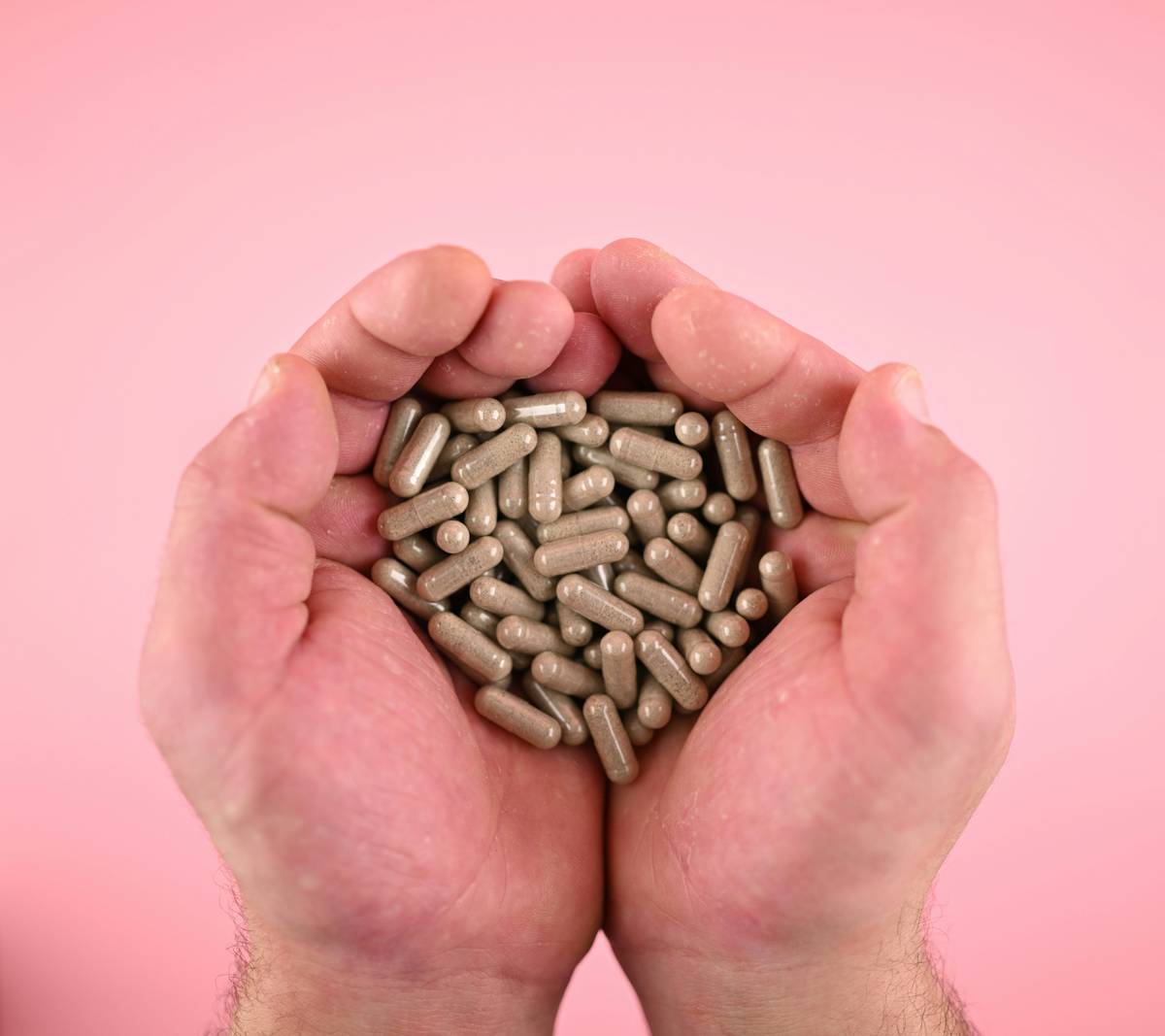
How to Choose a Digestive Enzyme Supplement That Actually Works
What should I look for in a digestive enzyme supplement?
Not all bottles are created equal. I’ve reviewed hundreds—and tossed most into my “lab trash bin” (yes, it exists). Avoid these rookie traps:
🚫 Terrible Tip Disclaimer: “Just buy the cheapest one on Amazon with 5 stars!” Nope. Many top-rated products list enzymes by weight (mg), not activity. A 500mg dose of weak lipase does nothing if it lacks potency.
Do this instead:
- Check FCC units: Look for labels showing activity units like HUT (protease), FIP (lipase), or DU (amylase). Example: “Lipase 10,000 FIP” means verified fat-digesting power.
- Pick broad-spectrum formulas: Ensure coverage for all macros—carbs, proteins, fats—and consider extras like lactase (for dairy) or cellulase (for fiber).
- Avoid unnecessary fillers: Steer clear of magnesium stearate, titanium dioxide, or artificial colors.
- Enteric coating matters: For protease/lipase, a delayed-release capsule protects enzymes from stomach acid so they activate in the small intestine.
My go-to brands? Pure Encapsulations, Thorne, and NOW Foods Ultra Enzymes—all third-party tested, FCC-compliant, and clinician-recommended.
Real Results: Client Case Studies & What Worked
Did digestive enzymes actually help real people?
Last year, my client Mark (42, software engineer) came in with chronic bloating and “food babies” after every meal. Stool tests revealed low elastase—a marker of pancreatic enzyme output. We tried:
- Adding ¼ cup sauerkraut daily + chewing thoroughly
- Taking a broad-spectrum enzyme (with ox bile for fat digestion) before meals
- Implementing pre-meal breathing exercises
Within 3 weeks, his bloating dropped by 80%. His words: “I finally feel like my food disappears instead of camping out in my belly.”
Another win: Sarah, 29, struggled with dairy intolerance. Instead of going full vegan, we added a lactase-only enzyme (3,000 ALU) before her morning latte. Result? No more urgent bathroom dashes—just creamy espresso bliss.
FAQs About How to Get Digestive Enzymes
Can you take digestive enzymes every day?
Yes—if needed. They’re generally safe for long-term use under guidance. However, if symptoms resolve, try tapering off to see if your body rebounds.
Are digestive enzymes the same as probiotics?
No. Probiotics are live bacteria that support gut flora; enzymes are proteins that break down food. Think of probiotics as gardeners and enzymes as kitchen knives—they work together but serve different roles.
What are signs you need digestive enzymes?
Watch for: excessive gas, bloating within 30–60 minutes of eating, floating/oily stools, undigested food in stool, or feeling overly full after small meals.
Can children take digestive enzymes?
Only under pediatric supervision. Some kids with cystic fibrosis or pancreatic insufficiency require prescription-strength enzymes.
Conclusion
Learning how to get digestive enzymes isn’t about quick fixes—it’s about working with your biology. Start with food-based strategies: chew mindfully, add pineapple or sauerkraut, and calm your nervous system at mealtimes. If symptoms persist, choose a high-potency, FCC-tested supplement and pair it with professional guidance.
Your gut doesn’t need perfection—it needs support. And now, you’ve got the science-backed tools to give it exactly that.
Like a Tamagotchi, your digestion needs daily care… except this pet won’t die if you forget to feed it (but your energy levels might).