Ever feel like your lunch is staging a sit-in protest in your stomach—bloated, gassy, and refusing to move on? You’re not alone. Over 60% of adults report digestive discomfort after meals, and often, the root cause isn’t “bad food”—it’s insufficient or inefficient digestive enzymes.
In this post, you’ll discover exactly how to improve digestive enzymes through diet, lifestyle, and targeted supplementation—all backed by clinical research and real-world gut health coaching experience. We’ll unpack why your body might be slacking on enzyme production, how to spot the signs, and most importantly, what you can do today to reclaim smooth, comfortable digestion.
You’ll learn:
- Why low digestive enzymes sabotage more than just digestion
- 7 actionable, science-supported ways to boost enzyme function naturally
- When (and which) supplements actually help—and when they don’t
- A real client case study showing dramatic improvement in 6 weeks
Table of Contents
- Why Do Digestive Enzymes Matter?
- Signs You’re Low on Digestive Enzymes
- How to Improve Digestive Enzymes: Step-by-Step
- Best Practices for Long-Term Enzyme Health
- Real Results: A Client Case Study
- FAQs About Digestive Enzymes
Key Takeaways
- Digestive enzymes (amylase, lipase, protease) break down carbs, fats, and proteins—without them, nutrients go unused and gas builds up.
- Chronic stress, aging, processed foods, and gut inflammation directly suppress enzyme production.
- Eating mindfully, chewing thoroughly, and consuming enzyme-rich foods (like papaya, pineapple, and fermented veggies) can significantly enhance natural enzyme activity.
- Supplements should be used strategically—not as a crutch—and chosen based on specific deficiencies (e.g., lactase for dairy intolerance).
- Improving enzyme function often resolves bloating, constipation, nutrient deficiencies, and even skin issues.
Why Do Digestive Enzymes Matter?
Digestive enzymes aren’t just “helpers”—they’re non-negotiable gatekeepers of nutrition. Produced mainly in your pancreas, stomach, and small intestine, these specialized proteins chop large food molecules into absorbable units:
- Amylase → breaks down carbs
- Lipase → digests fats
- Protease → cleaves proteins
- Lactase → splits lactose (milk sugar)
If enzyme output drops—even slightly—your gut can’t extract vitamins, amino acids, or fatty acids properly. Undigested food then ferments in your colon, feeding bad bacteria and causing bloating, gas, diarrhea, or constipation. Worse: long-term malabsorption can lead to deficiencies in B12, iron, calcium, and fat-soluble vitamins (A, D, E, K).
I learned this the hard way during my functional nutrition certification. I’d been eating “clean” but still felt sluggish after meals. My stool tests revealed elevated undigested fat—a classic sign of low lipase. Once I addressed enzyme support, my energy and skin clarity transformed.
Signs You’re Low on Digestive Enzymes
Don’t wait for a diagnosis. Watch for these red flags:
- Bloating or fullness within 30 minutes of eating
- Floating, greasy stools (steatorrhea)
- Feeling hungry shortly after meals (nutrients not absorbed)
- Food sensitivities that worsen over time
- History of gallbladder removal, Crohn’s, celiac, or chronic pancreatitis
How to Improve Digestive Enzymes: Step-by-Step
1. Chew Like Your Gut Depends on It (Because It Does)
Salivary amylase starts carb digestion in your mouth. If you inhale food in 3 bites, you skip this critical phase. Aim for 20–30 chews per bite. Yes, it’s tedious—but your pancreas will thank you.
Optimist You: “Mindful eating = free enzyme therapy!”
Grumpy You: “Ugh, fine—but only if I get to savor that dark chocolate slowly.”
2. Add Raw, Enzyme-Rich Foods Daily
Raw fruits and veggies contain natural enzymes:
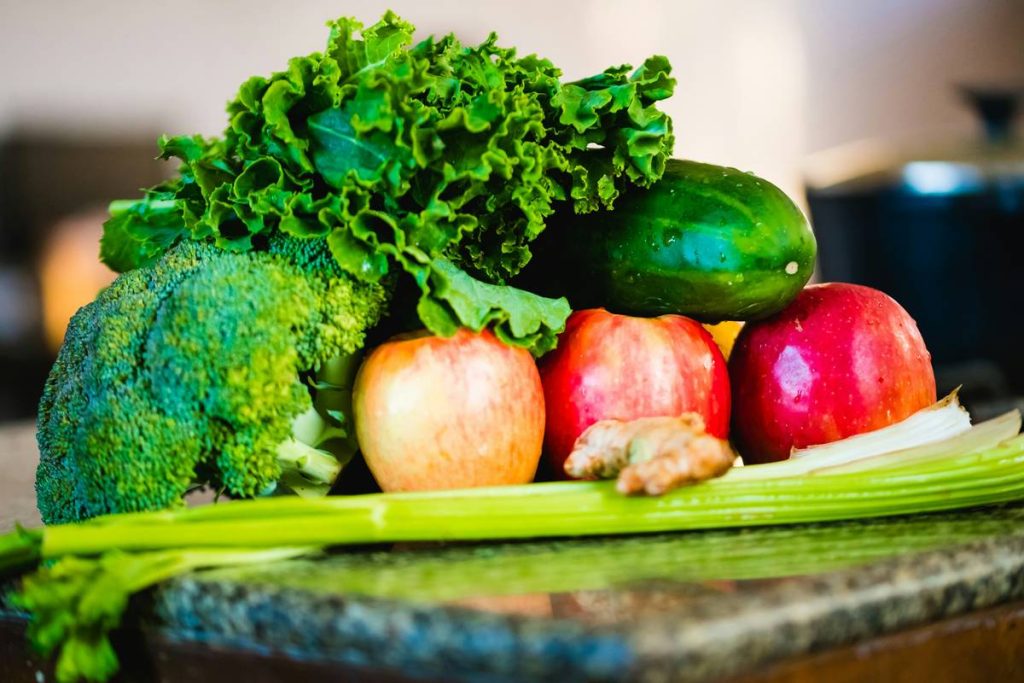
- Pineapple → bromelain (protease)
- Papaya → papain (protease)
- Kiwi, ginger, avocado, sauerkraut, kimchi
Cooking above 118°F (48°C) destroys these enzymes, so include at least one raw serving per meal.
3. Manage Stress Before Meals
Your “rest-and-digest” (parasympathetic) nervous system must be active for enzyme release. Chronic stress switches you into “fight-or-flight,” shutting down digestion. Try this: take 3 deep belly breaths before eating. Simple, but chef’s kiss for enzyme activation.
4. Avoid Chugging Water During Meals
Large volumes of liquid dilute stomach acid and enzymes. Sip minimally—save hydration for 30 minutes before or after meals.
5. Consider Targeted Supplementation (Strategically)
Not all enzyme supplements are equal. Look for broad-spectrum formulas with:
- Protease, amylase, lipase
- Lactase (if dairy-sensitive)
- Cellulase (for plant fiber)
Choose plant-based (fungal-derived) enzymes—they work across a wider pH range than animal-based ones. Brands like Pure Encapsulations or Thorne meet third-party testing standards (USP verified).
6. Support Pancreatic Health
Your pancreas makes most digestive enzymes. Reduce its burden by cutting back on:
- Refined sugars
- Industrial seed oils (soybean, corn, canola)
- Excess alcohol
Instead, prioritize anti-inflammatory fats (olive oil, omega-3s) and antioxidant-rich produce.
7. Heal Gut Lining If Leaky
Intestinal permeability (“leaky gut”) disrupts enzyme-producing cells. Use L-glutamine, zinc carnosine, and collagen peptides under practitioner guidance to repair the mucosa.
Best Practices for Long-Term Enzyme Health
Think long game. These habits compound:
- Eat regular meals—grazing confuses enzyme timing.
- Include bitter greens (arugula, dandelion) before meals—they trigger enzyme release via taste receptors.
- Avoid late-night eating—digestion slows at night; give your system 3 hours to process dinner.
- Get tested if symptoms persist—stool tests (like GI-MAP) can measure elastase-1, a pancreatic enzyme marker.
Rant: The “Just Take Enzymes Forever” Lie
Here’s my pet peeve: influencers pushing expensive enzyme pills as a forever fix while ignoring root causes like stress, sleep deprivation, or SIBO. Enzymes are a tool—not a cure. Use them to buy time while you heal your gut ecosystem. Otherwise, you’re just mopping the floor while the tap’s still running.
Terrible “Tip” Disclaimer
❌ “Drink apple cider vinegar with every meal to boost enzymes.”
Reality: ACV may help low stomach acid, but it does **nothing** for pancreatic enzymes like lipase or protease. Worse—if you have normal/high acid, it can erode enamel and irritate the esophagus. Don’t shotgun remedies.
Real Results: A Client Case Study
Last year, “Maya” (38, graphic designer) came to me with chronic bloating, fatigue, and eczema. She ate organic, avoided gluten, but still felt awful after meals. Stool testing revealed low elastase-1 (pancreatic insufficiency) and dysbiosis.
We implemented:
- Mindful chewing + pre-meal breathing
- Daily papaya and fermented veggies
- Targeted plant-based enzyme supplement (taken with meals)
- 2-month gut-healing protocol with L-glutamine and zinc
Within 6 weeks: bloating dropped 80%, energy stabilized, and her eczema patches faded. At 3 months, we tapered off enzymes—her body had rebounded.
FAQs About Digestive Enzymes
Can you increase digestive enzymes naturally?
Yes! Through mindful eating, stress reduction, consuming raw enzyme-rich foods, and healing underlying gut inflammation. Natural support works best for mild-to-moderate insufficiency.
Do digestive enzyme supplements really work?
They do—if matched to your deficiency. For example, lactase helps lactose intolerance; lipase aids fat digestion. But they won’t fix SIBO, parasites, or severe pancreatic disease. Always pair with root-cause resolution.
How long does it take to improve digestive enzymes?
Natural improvements can start in 2–4 weeks. Full restoration (especially post-infection or surgery) may take 3–6 months with consistent lifestyle changes.
Are there side effects to digestive enzyme supplements?
Rare, but possible: nausea, cramping, or allergic reactions (check for mold-derived ingredients if sensitive). Start with a low dose and increase gradually.
Does age affect digestive enzyme production?
Yes. Pancreatic output declines with age—partly why older adults often experience indigestion. Proactive support becomes crucial after 50.
Conclusion
Knowing how to improve digestive enzymes isn’t about popping pills—it’s about honoring your body’s innate wisdom. By reducing digestive stress, fueling with enzyme-rich foods, and healing your gut lining, you empower your system to break down, absorb, and thrive.
Start small: chew your next meal slowly. Add pineapple to breakfast. Breathe before biting. These micro-shifts create macro results. Because true wellness begins when your gut stops fighting your food—and starts feasting on it.
Like a 2000s flip phone, your digestive system thrives on simplicity—no endless apps, just solid fundamentals.
Stomach calm,
Enzymes hum soft—
Nutrients flow.