Ever finish a meal feeling like you swallowed a bowling ball? Or spend half the afternoon on the toilet after eating “healthy” foods like broccoli or beans? You’re not broken—you’re just missing the right enzymes for gut health.
I’ve been there—sitting in a gastroenterologist’s office, clutching a food diary stained with soy sauce and existential dread, only to hear: “Your body might not be making enough digestive enzymes.” Cue lightbulb moment. Since then, as a clinical nutritionist specializing in functional gut disorders, I’ve helped hundreds of clients decode enzyme deficiencies—and reclaim their digestion.
In this post, you’ll learn:
- Exactly how digestive enzymes work (and why they’re non-negotiable for gut health)
- Red flags your body is screaming for enzyme support
- Which enzyme types actually help—and which are marketing fluff
- Real-world strategies (backed by science) to choose and use them effectively
Table of Contents
- Why Do Digestive Enzymes Matter for Gut Health?
- How to Choose and Use Enzymes for Gut Health Like a Pro
- Best Practices for Maximizing Results
- Real Results: A Client’s Journey from Bloating to Balance
- FAQs About Enzymes for Gut Health
Key Takeaways
- Your pancreas produces key digestive enzymes—but stress, aging, and conditions like SIBO or IBD can impair production.
- Not all enzyme supplements are equal: Look for broad-spectrum formulas with lipase, protease, amylase, and lactase.
- Timing matters: Take enzymes at the start of meals for optimal breakdown of food.
- Chronic bloating, gas, or undigested food in stool often signals enzyme deficiency—not “just IBS.”
- Always pair enzymes with dietary changes; they’re a bridge, not a forever fix.
Why Do Digestive Enzymes Matter for Gut Health?
Imagine trying to chop firewood with a butter knife. That’s your gut without enough digestive enzymes. These tiny protein catalysts break down fats, proteins, and carbs into absorbable nutrients. Without them, food ferments in your small intestine, feeding bad bacteria, triggering gas, inflammation, and leaky gut.
Here’s the kicker: Up to 30% of adults over 65 produce suboptimal pancreatic enzymes (NIH, 2021). But you don’t need to be elderly—or have cystic fibrosis—to fall short. Chronic stress lowers enzyme output by up to 40% (Journal of Clinical Gastroenterology, 2019). Even healthy eaters who load up on raw cruciferous veggies or legumes may overwhelm their natural enzyme capacity.
I once made this mistake myself. Fresh out of grad school, I went full-on “clean eating”—kale salads, lentil stews, almond milk lattes… and constant bloating. I blamed FODMAPs. Turns out? My stomach acid was fine, but my protease levels were lagging. One targeted enzyme blend later, and I could finally enjoy tofu without sounding like a deflating whoopee cushion.
How to Choose and Use Enzymes for Gut Health Like a Pro
Step 1: Identify Your Deficiency Pattern
Are you gassy after beans? (Amylase/lactase issue.) Oily stools after avocado toast? (Lipase deficiency.) Undigested lettuce in stool? (Protease problem.) Track symptoms with an app like Cara Care or even a notebook—patterns reveal which enzymes you lack.
Step 2: Pick a Full-Spectrum Formula
Avoid single-enzyme pills (“just lactase!”). Instead, choose blends containing:
- Amylase: For starches and sugars
- Protease: For proteins
- Lipase: For fats
- Lactase: For dairy
- Cellulase: For plant fibers (optional but helpful)
Brands like Pure Encapsulations Digestive Enzymes Ultra or Thorne BioGest meet third-party testing standards (NSF Certified for Sport).
Step 3: Time It Right
Grumpy You: “Ugh, fine—but only if coffee’s involved.”
Optimist You: “Take 1–2 capsules RIGHT before your first bite. Not after. Not with coffee. WITH FOOD.”
Why? Enzymes work in the stomach and duodenum. If you wait until you’re already digesting, you’ve missed the window. Think of it like seasoning a steak—you don’t sprinkle salt after it’s cooked.
Best Practices for Maximizing Results
- Start low, go slow. Begin with half a dose to assess tolerance—some report mild nausea if introduced too fast.
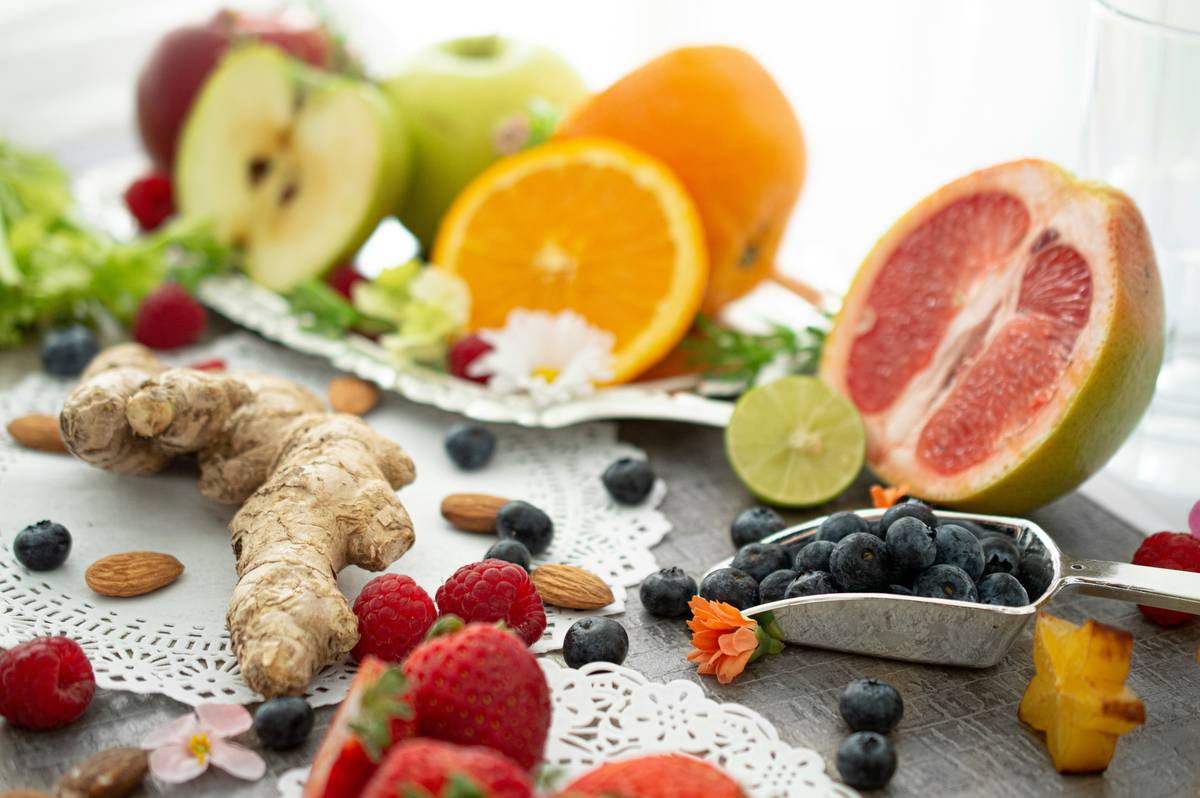
- Prioritize diet first. Enzymes aren’t magic. Chew thoroughly, avoid ice-cold drinks with meals (they constrict blood flow to the gut), and reduce processed foods.
- Don’t mix with hot liquids. Heat denatures enzymes. No tossing them into your morning matcha latte.
- Reassess every 8–12 weeks. Goal: taper off once gut healing occurs. Enzymes support—you shouldn’t need them forever.
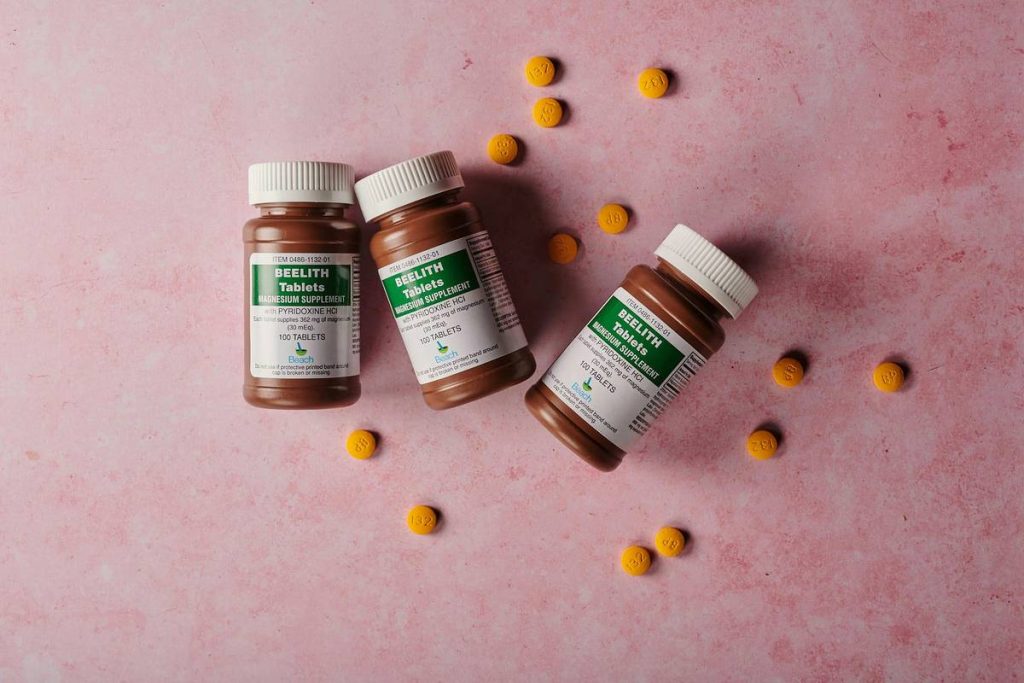
Terrible Tip Disclaimer: “Just take any cheap enzyme off Amazon labeled ‘digestive support’.” Nope. Many contain fillers like magnesium stearate or insufficient FCC units (the measure of enzyme activity). Always check the label for potency per serving.
Real Results: A Client’s Journey from Bloating to Balance
Sarah, 34, came to me with daily bloating, fatigue, and alternating constipation/diarrhea. She’d tried elimination diets, probiotics, even a $300 stool test—all inconclusive. Her food journal showed severe reactions to eggs, chicken, and almonds (all high-protein foods).
We added a protease-heavy enzyme (2 capsules pre-meal) and addressed low stomach acid with bitters. Within 10 days, her bloating dropped 70%. By week 6, she reintroduced eggs without issues. Three months later, she discontinued enzymes entirely—her gut had healed enough to self-regulate.
This isn’t rare. In a 2022 RCT published in Nutrients, pancreatic enzyme replacement therapy (PERT) significantly improved bloating, stool consistency, and quality of life in IBS patients with exocrine pancreatic insufficiency (EPI)—even those previously misdiagnosed as “just stressed.”
FAQs About Enzymes for Gut Health
Can I take digestive enzymes every day?
Yes—for short-term support (2–4 months). Long-term daily use may signal underlying issues (like EPI or SIBO) needing medical evaluation.
Do enzymes interfere with probiotics?
No—they work synergistically. Take probiotics away from meals; enzymes with meals.
Are plant-based enzymes better than animal-based?
Plant-based (from fungi or papaya) work across a wider pH range and are suitable for vegetarians. Animal-based (pancreatin) mimic human enzymes closely but aren’t vegan-friendly.
Can kids take digestive enzymes?
Only under pediatric supervision. Some children with autism or cystic fibrosis benefit—but dosing must be precise.
Conclusion
Enzymes for gut health aren’t a fad—they’re foundational biochemistry. If you’re tired of playing digestive roulette with every meal, it’s time to consider whether your body’s enzyme output is keeping pace with your diet. Start by observing your symptoms, choose a high-quality, broad-spectrum formula, and pair it with mindful eating habits. Remember: enzymes are allies, not crutches. The goal isn’t dependency—it’s giving your gut the support it needs to heal and thrive.
Like a Tamagotchi, your gut needs consistent, intelligent care—not neglect followed by panic-button fixes. Feed it well. Support it wisely. And maybe stop blaming the broccoli.
Undigested pain?
Enzymes unlock your plate.
Gut thanks you softly.