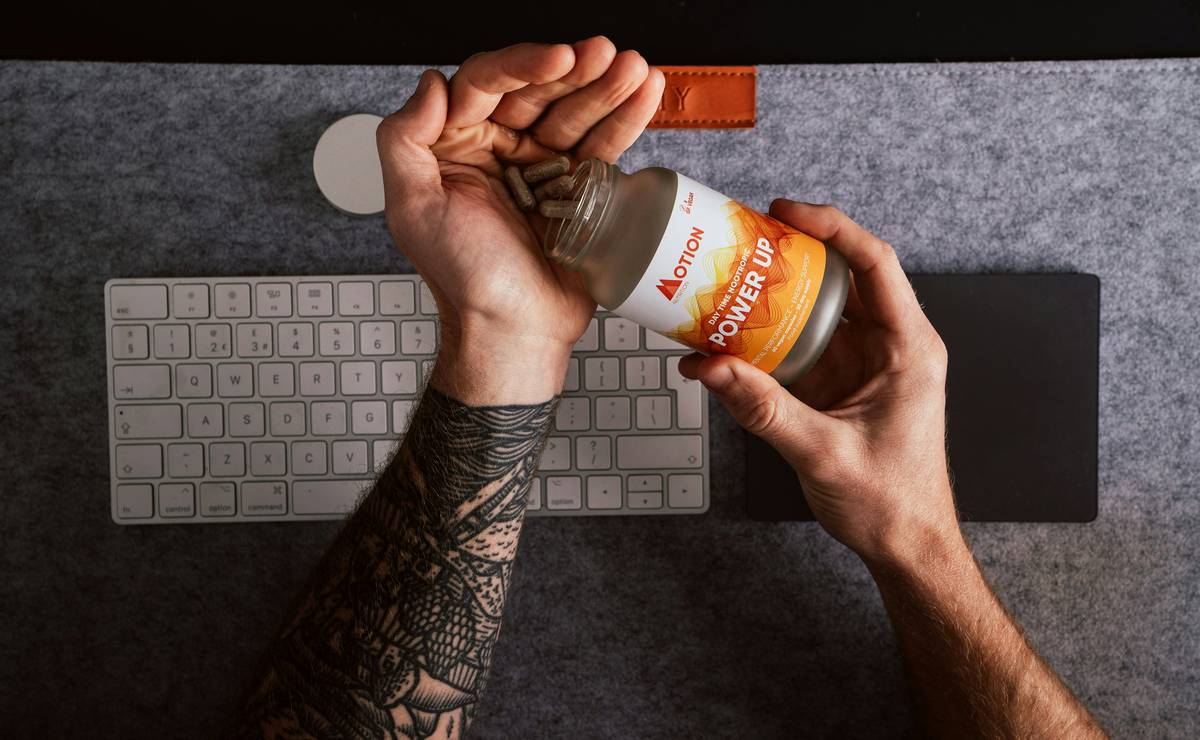
You pop a digestive enzyme before every meal—just like the label says. Weeks pass. Maybe months. Yet bloating, gas, and indigestion linger. You start wondering: how long to take digestive enzymes before they actually work—or when to stop altogether? The real issue isn’t your dosage. It’s the outdated advice you’ve been given.
Why Taking Digestive Enzymes “As Needed” Often Fails
Most people treat enzymes like painkillers: take one when symptoms flare. That’s backwards. Digestive enzymes aren’t meant to be reactive—they’re tools for recalibrating your gut’s rhythm. And if you’re using them without addressing root causes like low stomach acid or dysbiosis, you’re just masking symptoms.
Worse? Some over-the-counter formulas contain fillers that irritate sensitive guts. Others degrade in stomach acid before ever reaching the small intestine—where they’re needed most.

How Long to Take Digestive Enzymes: A Strategic Protocol
There’s no universal timeline. But there is a smarter approach—one based on your symptoms, goals, and biochemistry. Here’s how to do it right:
Step 1: Identify Your Trigger Pattern
Are symptoms tied to fat-heavy meals? Dairy? High-fiber foods? Track for three days. Match enzyme type (lipase for fats, lactase for dairy, cellulase for fiber) to your trigger—not just generic “digestive support.”
Step 2: Time Your Dose Correctly
Take enzymes with your first bite—not after. Delayed intake means undigested food hits your gut lining prematurely, triggering inflammation. Miss this window, and even the best formula underperforms.
Step 3: Cycle, Don’t Depend
Your body thrives on stimulus-response balance. Use enzymes for 2–4 weeks during symptom flares or dietary transitions (like reintroducing gluten or legumes). Then taper off. If symptoms return immediately, you’ve got an underlying issue—not just an enzyme deficiency.
| Usage Scenario | Recommended Duration | Enzyme Type Focus |
|---|---|---|
| Acute bloating after rich meals | 3–7 days | Lipase + protease |
| Post-antibiotic gut recovery | 3–6 weeks | Broad-spectrum + lactase |
| Chronic IBS-like symptoms | 2–4 weeks → reassess | Full-spectrum + bile support |
| Daily prevention (no symptoms) | Not recommended | N/A |
The Industry Secret: Enzymes Reveal—They Don’t Fix
Here’s what supplement companies won’t say: digestive enzymes are diagnostic mirrors. If you need them long-term just to eat normally, your problem likely isn’t enzyme production—it’s motility, stomach acid, or microbial imbalance. One client of mine stopped chronic bloating not by doubling enzymes, but by adding betaine HCl and magnesium glycinate. His enzymes? He dropped them entirely after six weeks.
Think about it: your pancreas makes thousands of enzyme units per meal. Pills provide hundreds. They’re stopgaps—not replacements. The goal isn’t lifelong supplementation. It’s buying time while you heal the system that’s supposed to make them naturally.
FAQ: Quick Answers to Real Questions
Can I take digestive enzymes every day forever?
No. Long-term daily use can signal dependency or mask deeper issues like SIBO or hypochlorhydria. Use them short-term while addressing root causes.
How quickly do digestive enzymes start working?
Within 15–30 minutes—if taken correctly with the first bite. But consistent relief requires matching the enzyme profile to your specific food triggers.
When should I stop taking digestive enzymes?
After 2–4 weeks if symptoms resolve. If they return upon stopping, investigate low stomach acid, gut infections, or food intolerances—don’t just keep popping pills.