You eat clean. You hydrate. You even meditate. But your stomach still bloats like a balloon after every meal. Gas, indigestion, fatigue—symptoms that make you question everything you’re doing right. And then someone whispers: “Maybe it’s your enzymes.” So—should I take digestive enzymes? The answer isn’t as simple as popping a pill.
The Real Reason Your Digestion Is Failing (Hint: It’s Not Just Stress)
Most people assume bloating or acid reflux stems from poor diet or anxiety. Sure, those contribute. But here’s what gets glossed over in mainstream advice: your body might not be producing enough endogenous enzymes.
Age, chronic inflammation, gut infections—even long-term antacid use—can cripple your pancreas’s ability to secrete lipase, amylase, and protease. No amount of probiotics will fix that gap if the enzymatic foundation is broken.
And yet, clinics rarely test for enzyme insufficiency. They hand out PPIs or suggest fiber. Meanwhile, your undigested food ferments in the colon—feeding bad bacteria, creating toxins, and wrecking your gut lining.
Should I Take Digestive Enzymes? A Practical Step-by-Step Guide
Don’t just swallow the first bottle you find on Amazon. Enzyme supplementation is highly individualized. Follow this protocol:
Step 1: Identify Your Symptoms
Do you experience greasy stools, fullness after small meals, or undigested food in your stool? These point strongly to pancreatic insufficiency—not just IBS.
Step 2: Rule Out Red Flags
Chronic diarrhea, unexplained weight loss, or nutrient deficiencies (like low B12 or vitamin D) need medical evaluation first. Don’t self-treat serious conditions with supplements.
Step 3: Choose the Right Enzyme Blend
Not all enzymes are equal. You need specific ratios based on your dominant issue:
| Symptom Profile | Key Enzymes Needed | Typical Dosage Range | Avoid If… |
|---|---|---|---|
| Bloating + gas after beans/veggies | Alpha-galactosidase (Beano-type), cellulase | 100–300 GalU per meal | You have SIBO (may worsen fermentation) |
| Fatty/oily stools, weight loss | Lipase-dominant formula (≥10,000 LU) | 25,000–40,000 LU per meal | On blood thinners (lipase may interact) |
| Undigested meat, protein-heavy meals | Protease blends (acid-stable types) | 30,000–60,000 HUT per meal | History of ulcers or gastritis |
Step 4: Time It Right
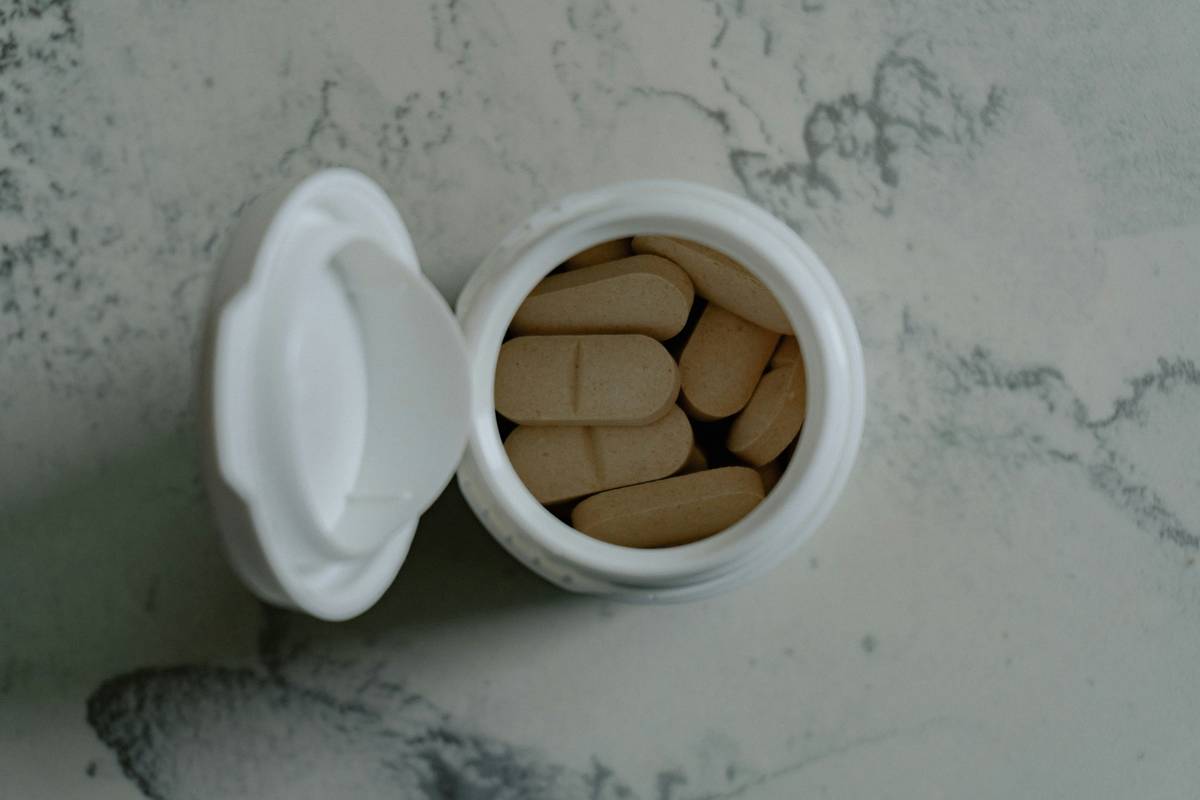
Take enzymes with the first bite—not after. Delayed intake means food enters the small intestine partially digested, triggering osmotic diarrhea or bacterial overgrowth.
The Industry Secret: Enzymes Are Often Masking Deeper Dysfunction
Here’s the uncomfortable truth: many supplement companies push digestive enzymes because they sell units—not because they solve root causes. Yes, enzymes can relieve symptoms fast. But if you keep taking them without addressing why your body stopped making its own, you risk dependency.
I’ve seen clients use enzymes for years while silently battling low stomach acid (hypochlorhydria). Without adequate HCl, pepsin doesn’t activate—and no oral enzyme replaces that cascade. Worse, long-term enzyme use without monitoring can downregulate your natural production—a phenomenon barely studied but clinically observed.
The math is simple: enzymes are a bridge, not a destination. Use them short-term while healing your gut lining, rebalancing stomach pH, and restoring vagal tone.
FAQ
Can digestive enzymes cause side effects?
Rarely—but high doses may trigger nausea or cramping. Start low. Discontinue if you experience allergic reactions (rash, swelling).
Do I need a prescription for digestive enzymes?
Over-the-counter versions work for mild cases. Prescription ones (like Creon) contain higher, standardized doses for diagnosed pancreatic insufficiency.
How soon will I feel results if I take digestive enzymes?
Many notice reduced bloating within 1–3 days. Full symptom resolution can take 2–6 weeks—especially if gut damage exists.