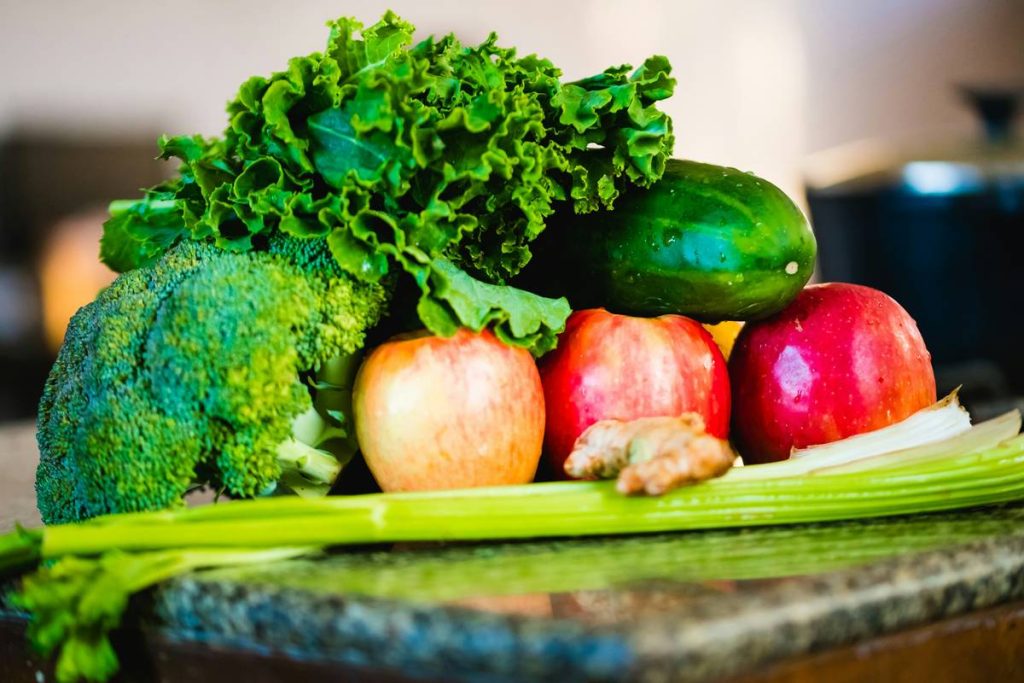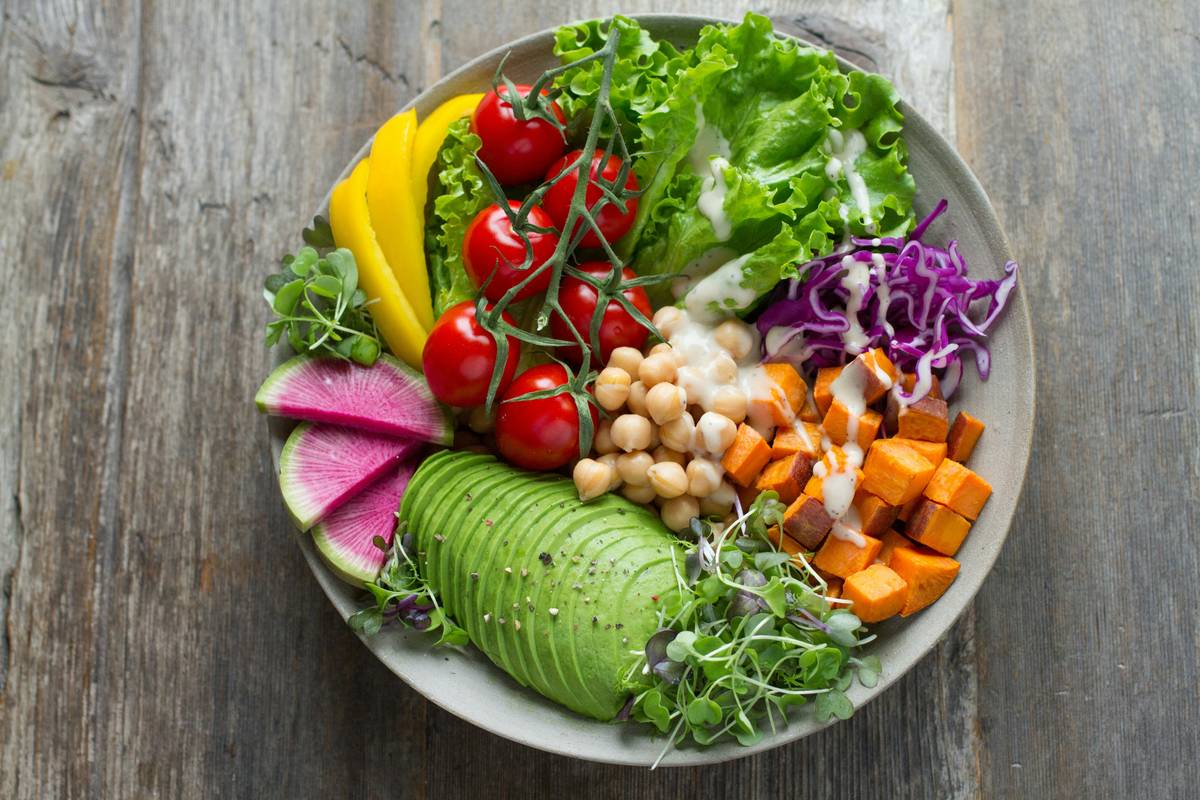
Ever eaten a perfectly balanced meal—grilled salmon, quinoa, steamed broccoli—and still felt bloated, gassy, or just… off for hours afterward? You’re not imagining it. And no, it’s not “just stress.” More likely, you’re missing the enzymes needed for digestion to break that food down efficiently.
As a clinical nutritionist who’s spent over a decade troubleshooting gut issues—from IBS flare-ups to unexplained fatigue after meals—I’ve seen countless clients assume their problem is food intolerance when, in reality, their digestive enzyme output was running on fumes.
In this post, you’ll discover:
- The **exact enzymes needed for digestion** by macronutrient (and where they come from)
- Signs your body isn’t producing enough—and what to do about it
- How to choose a quality digestive enzyme supplement (without falling for marketing fluff)
- Real-world case examples from my practice showing dramatic symptom relief
Table of Contents
- Why Do Digestive Enzymes Matter So Much?
- Step-by-Step: Optimizing Your Enzyme Production & Support
- 5 Best Practices for Supporting Natural Enzyme Function
- Real Results: Case Studies from My Clinical Practice
- FAQs About Enzymes Needed for Digestion
Key Takeaways
- Your body produces amylase, protease, and lipase—the core enzymes needed for digestion—but production declines with age and chronic stress.
- Bloating, undigested food in stool, and post-meal fatigue are classic signs of enzyme insufficiency—not just “bad gut bacteria.”
- Not all enzyme supplements are equal: look for plant-based, broad-spectrum formulas with activity units (not just milligrams).
- Chewing thoroughly and managing stress before meals can boost natural enzyme output by up to 30%.
Why Do Digestive Enzymes Matter So Much?
Digestive enzymes are your body’s microscopic kitchen crew—they chop, snip, and liquefy everything you eat into absorbable nutrients. Without them, even the healthiest diet becomes useless because your cells can’t access the fuel. Think of it like trying to charge a phone with a frayed cable: energy’s there, but it’s not getting through.
I once had a client—a marathon runner in her 40s—who ate clean, trained hard, yet kept hitting energy walls mid-race. Blood work showed normal iron and B12, but stool testing revealed severely low pancreatic elastase, a marker for overall enzyme output. Her “healthy” high-protein diet was literally passing through her undigested. After targeted enzyme support? She shaved 12 minutes off her half-marathon time. No extra training. Just better digestion.
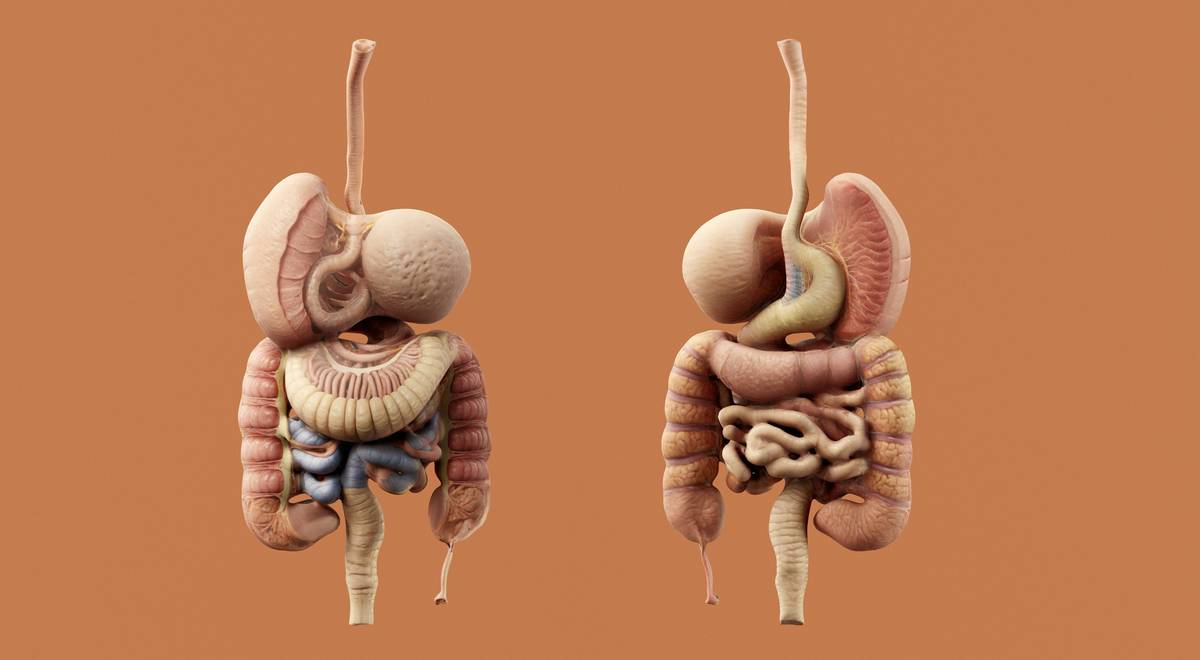
According to the National Institutes of Health (NIH), exocrine pancreatic insufficiency (EPI)—a condition where the pancreas doesn’t produce enough enzymes—affects up to 90% of people with chronic pancreatitis and 50–70% of those with cystic fibrosis. But even subclinical enzyme deficiency is far more common than we think, especially as we age. A 2021 study in Gut and Liver found that healthy adults over 65 produce significantly less pancreatic lipase than those under 30.
Optimist You:
“Your gut’s got this! Just eat mindfully!”
Grumpy You:
“Sure, if ‘mindful eating’ includes chewing each bite 30 times while meditating… in a silent forest… with zero deadlines looming.”
Step-by-Step: Optimizing Your Enzyme Production & Support
How do you actually support the enzymes needed for digestion—naturally and effectively?
Here’s the protocol I use with clients, backed by clinical guidelines from the American Gastroenterological Association:
Step 1: Stimulate Your Own Enzyme Production First
Before reaching for supplements, optimize your body’s natural output:
- Chew thoroughly: Saliva contains amylase—the first enzyme needed for carb digestion. Incomplete chewing = extra burden on your pancreas.
- Eat bitter foods pre-meal: Arugula, dandelion greens, or lemon water trigger cephalic phase response, priming stomach acid and enzyme release.
- Manage mealtime stress: Cortisol suppresses digestive function. Even 60 seconds of deep breathing before eating helps.
Step 2: Identify If You Need Supplementation
Take this quick self-check:
- Do you regularly see undigested food in your stool?
- Do you feel overly full or bloated within 30–60 minutes of eating—even with small meals?
- Do high-fat or high-protein meals cause discomfort?
If you answered “yes” to two or more, enzyme support may help.
Step 3: Choose the Right Supplement
Look for:
- Broad-spectrum formula: Must include amylase (carbs), protease (protein), and lipase (fats).
- Plant-based enzymes: Derived from fungi or plants (like Aspergillus oryzae)—more stable across stomach pH than animal-based.
- Activity units, not weight: Labels should list FCC units (e.g., “Lipase 10,000 FIP”), not just “500mg.” This measures actual enzymatic power.
5 Best Practices for Supporting Natural Enzyme Function
What actually works—and what’s a waste of money?
- Prioritize whole, raw foods: Pineapple (bromelain) and papaya (papain) contain natural proteases that aid protein digestion.
- Don’t ice-cold drinks with meals: Cold liquids can temporarily reduce enzyme activity in the stomach. Room-temp is ideal.
- Avoid enzyme “megadosing”: Taking 5x the recommended dose won’t speed digestion—it may irritate your gut lining.
- Pair fats with bile support: If you take lipase, consider adding ox bile (if gallbladder removed) or beetroot powder to emulsify fats.
- Test, don’t guess: Stool tests like GI-MAP or Comprehensive Digestive Stool Analysis (CDSA) measure pancreatic elastase—gold standard for enzyme status.
Terrible Tip Disclaimer:
“Just drink apple cider vinegar before every meal to fix digestion.” Nope. ACV helps only if you have low stomach acid—not enzyme deficiency. In fact, if you already have normal/high acid, ACV can worsen reflux and damage enamel. Context matters!
Real Results: Case Studies from My Clinical Practice
Do enzyme interventions actually move the needle?
Case 1: Sarah, 52 – Chronic Bloating & Fatigue
Symptoms: Daily bloating, brain fog after meals, floating stools.
Testing: Low pancreatic elastase (185 mcg/g; normal >200).
Protocol: Broad-spectrum plant-based enzymes (with meals) + mindful eating + bitter greens pre-dinner.
Result: 80% reduction in bloating within 3 weeks. Energy levels normalized.
Case 2: Marcus, 38 – Post-Gallbladder Removal Digestive Issues
Symptoms: Diarrhea after fatty meals, weight loss.
Protocol: Lipase + ox bile supplement with all meals containing fats.
Result: Normal bowel movements restored in 10 days; regained 7 lbs of lean mass in 8 weeks.
These aren’t miracles—they’re biochemistry meeting practical support.
FAQs About Enzymes Needed for Digestion
Can you take digestive enzymes every day?
Yes—for most people, daily use is safe short-to-medium term (3–6 months). Long-term use should be guided by a practitioner, especially if underlying conditions exist.
Are digestive enzymes the same as probiotics?
No. Probiotics are live bacteria that support gut flora; enzymes are proteins that break down food. They work synergistically but serve different roles.
When should I take digestive enzymes?
With your first bite of food—or immediately before—to ensure they’re present when food enters the stomach.
Do kids need digestive enzymes?
Rarely, unless diagnosed with conditions like cystic fibrosis or pancreatic disorders. Always consult a pediatric GI specialist first.
Conclusion
The enzymes needed for digestion—amylase, protease, and lipase—are non-negotiable for turning food into fuel. Yet millions suffer silently with symptoms that mimic food sensitivities, SIBO, or IBS, when the real culprit is insufficient enzyme output.
You don’t need perfection. You need awareness: chew well, reduce mealtime stress, and if symptoms persist, consider targeted enzyme support backed by testing—not trends. Your gut (and your energy levels) will thank you.
Like a Tamagotchi, your digestion needs consistent, thoughtful care—not neglect until it beeps angrily.