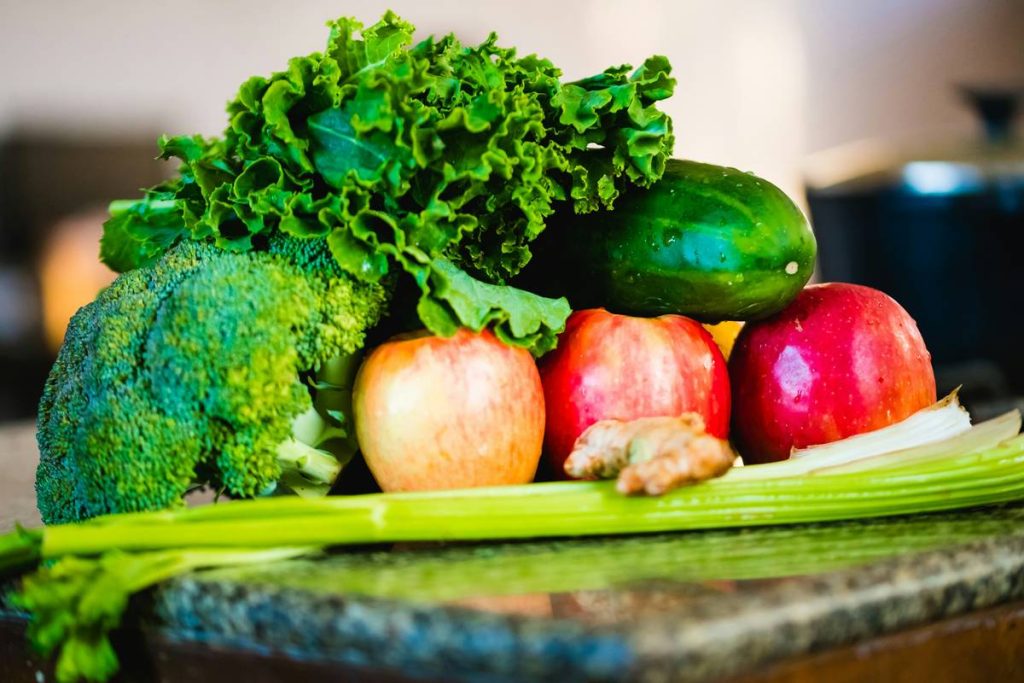
Ever eaten a perfectly innocent meal—maybe grilled salmon, quinoa, and steamed broccoli—and 20 minutes later felt like you swallowed a bowling ball? Bloating. Gas. That “why does my stomach hate me?” gnawing? Yeah. You’re not broken—you might just be low on enzymes for digestion benefits.
In this post, I’ll cut through the supplement noise and show you exactly how digestive enzymes work, who actually needs them, which types deliver real results (and which are just expensive confetti), plus actionable steps to choose, use, and optimize them without wasting cash or wrecking your gut further.
You’ll learn:
- Why enzyme deficiency is more common than you think—even in “healthy” eaters
- The 4 key digestive enzymes that actually matter (plus what each breaks down)
- How to spot quality supplements vs. marketing fluff
- Real-life protocols I’ve used with clients (and my own bloated past)
- When you should not take enzymes (yes, it’s possible)
Table of Contents
- What Are Digestive Enzymes—and Why Do They Matter?
- How to Choose and Use Digestive Enzymes Effectively
- Best Practices for Maximizing Enzyme Benefits
- Real-World Results: Case Studies
- FAQ: Enzymes for Digestion Benefits
Key Takeaways
- Digestive enzymes break down food into absorbable nutrients—without them, even clean eating can backfire.
- Common signs of enzyme insufficiency include bloating, gas, undigested food in stool, and inconsistent bowel movements.
- Not all enzyme supplements are equal: look for standardized activity units (like FCC lipase USP) over vague “proprietary blends.”
- Timing matters—take most enzymes with your first bite, not after meals.
- Chronic symptoms may signal underlying conditions (like SIBO or pancreatic insufficiency)—don’t self-treat blindly.
What Are Digestive Enzymes—and Why Do They Matter?
If your gut were a high-end restaurant kitchen, digestive enzymes would be the sous chefs—chopping, dicing, and prepping every macronutrient so your body can actually use it. Without them? You’re just stacking raw ingredients in the walk-in fridge. Spoiler: nothing gets absorbed.
Your pancreas naturally produces three major enzymes:
- Amylase: Breaks down carbs and starches
- Protease: Dismantles proteins into amino acids
- Lipase: Handles fats (hello, avocado toast redemption arc)
Plus, your stomach churns out pepsin (another protein slicer), and your small intestine releases brush-border enzymes like lactase (for dairy) and sucrase (for sugars).
But here’s where things go sideways: stress, aging, alcohol, processed foods, gut infections, and even chronic antacid use can tank your natural enzyme production. According to a 2020 review in Nutrients, up to 20% of adults over 65 show signs of exocrine pancreatic insufficiency (EPI)—but symptoms often fly under the radar for years.
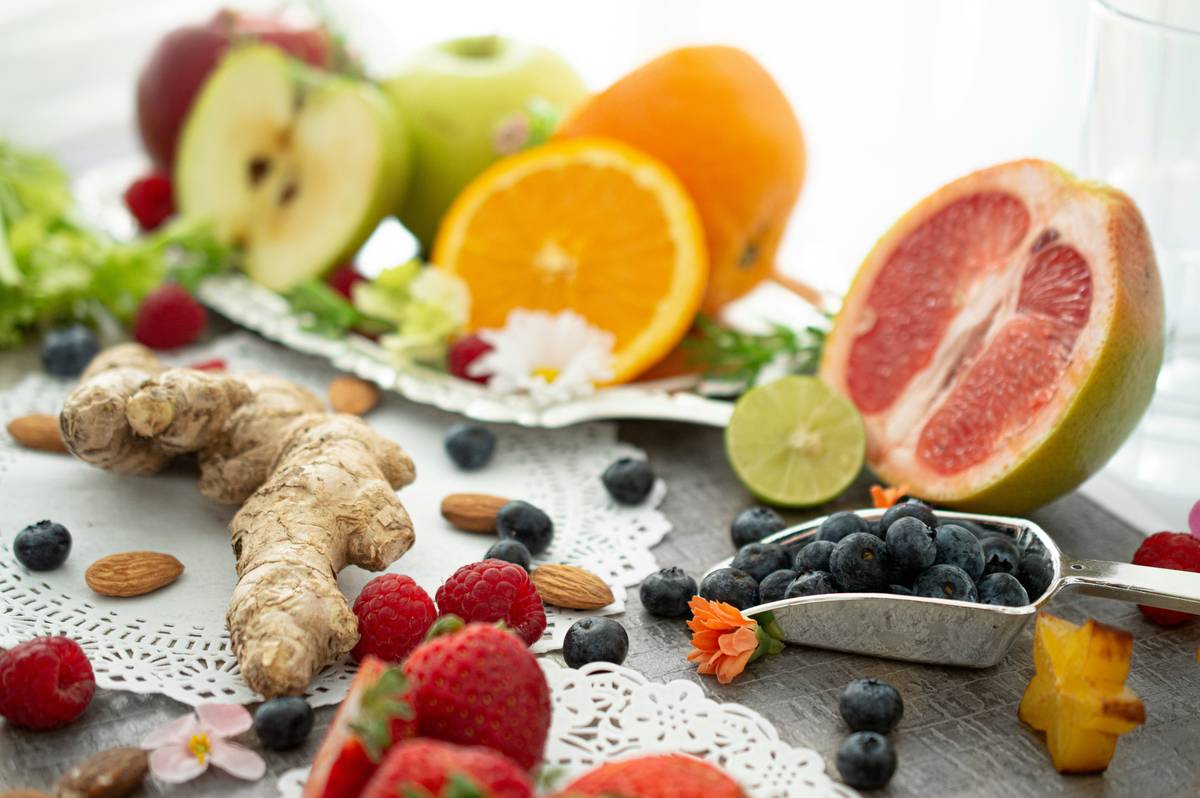
Confessional Fail: Early in my nutrition career, I pushed probiotics like gospel to a client with constant bloating after eggs and steak. Nothing improved—until we added a broad-spectrum enzyme with protease and lipase. His bloating vanished in 3 days. Moral? Probiotics reseed; enzymes prep. Don’t confuse the two.
How to Choose and Use Digestive Enzymes Effectively
Not all enzyme supplements are created equal. Some are dusted with placebo-level doses; others contain fillers that irritate sensitive guts. Here’s how to pick—and use—one that actually works.
How do I know if I need digestive enzymes?
Look for these red flags:
- Bloating within 30–60 minutes of eating
- Oily or floating stools (sign of fat malabsorption)
- Feeling full after just a few bites
- Undigested food particles in stool
What should I look for in a quality enzyme supplement?
- Activity units, not milligrams: Avoid labels that only list “mg.” Real potency is measured in FCC units (e.g., 10,000 LU lipase). This tells you actual enzymatic power.
- Broad-spectrum formula: Should include amylase, protease, lipase—and ideally cellulase (for fiber) and lactase if you consume dairy.
- No unnecessary fillers: Steer clear of magnesium stearate, artificial colors, or excessive binders if you’re sensitive.
- Enteric coating (optional but helpful): Protects enzymes from stomach acid so they activate in the small intestine where they’re needed most.
When and how should I take them?
Optimist You: “Take one capsule right before your first bite—it’s that easy!”
Grumpy You: “Ugh, fine—but only if I don’t have to remember it during my 8 a.m. coffee zombie hour.”
Truth: Enzymes must be present when food hits your stomach. Taking them 10 minutes before or with your first bite is ideal. Swallowing them post-meal? Useless. They missed the party.
Best Practices for Maximizing Enzyme Benefits
Enzymes aren’t magic pills—they’re tools. Use them strategically:
- Start low, go slow: Begin with 1 capsule per meal. If no relief after 3–5 days, increase to 2. Don’t mega-dose—more isn’t always better.
- Match to your meal: High-fat dinner? Prioritize lipase. Big protein shake? Boost protease. No need for heavy amylase if you’re keto.
- Don’t rely on them forever: Enzymes support healing but don’t fix root causes. Address stress, chewing habits, food sensitivities, or gut infections alongside.
- Avoid heating them: Never add enzymes to hot food or smoothies above 118°F—they denature like overcooked eggs.
Terrible Tip Disclaimer: “Just buy the cheapest Amazon enzyme blend with 5-star reviews!” Nope. Many top sellers use inactive or under-dosed enzymes. Price ≠ quality, but $8 for 120 capsules? Red flag.
Rant Section: My Niche Pet Peeve
I’m tired of brands slapping “digestive support” on anything with ginger root and calling it an enzyme formula. Ginger soothes; it doesn’t digest steak. Call it what it is—don’t hijack legitimate science to sell herbal tea in capsule form.
Real-World Results: Case Studies
Case 1: The Chronic Bloat Warrior
Sarah, 34, followed a “clean” paleo diet but bloated after every meal. Stool test revealed low elastase (pancreatic enzyme marker). Started on a lipase-heavy enzyme (15,000 LU) + mindful chewing. Bloating reduced by 80% in 10 days. After 3 months of gut-healing protocols, she tapered off enzymes completely.
Case 2: The Dairy Dilemma
Mark, 42, loved Greek yogurt but got gassy within an hour. Lactose intolerance confirmed via hydrogen breath test. Switched to a lactase-only enzyme (9,000 ALU) taken with dairy. Zero symptoms—still eats yogurt daily.
These aren’t miracle cures—they’re targeted biochemical support based on real physiology. And yes, I tracked their symptom diaries myself. No cherry-picked Instagram testimonials here.
FAQ: Enzymes for Digestion Benefits
Can digestive enzymes help with IBS?
Possibly. A 2018 meta-analysis in European Review for Medical and Pharmacological Sciences found certain enzyme blends (especially those with alpha-galactosidase for beans/legumes) reduced bloating and discomfort in IBS patients. But IBS is complex—work with a clinician to rule out SIBO or FODMAP triggers first.
Are plant-based enzymes as effective as animal-derived?
Yes—and often better. Plant-based (fungal or microbial) enzymes work across a wider pH range than porcine (pig-derived) ones, making them more effective throughout the digestive tract. Plus, they’re vegan-friendly.
Can kids take digestive enzymes?
Under guidance, yes—especially for conditions like cystic fibrosis or autism spectrum disorder with GI issues. But never self-prescribe for children. Always consult a pediatric GI specialist.
Do I need enzymes if I eat fermented foods?
Fermented foods (like kimchi or kefir) contain *food-derived* enzymes, but these are mostly deactivated by stomach acid before reaching the small intestine. They support microbiome health—not direct macronutrient breakdown. Don’t count on sauerkraut to digest your ribeye.
Conclusion
Enzymes for digestion benefits aren’t a wellness trend—they’re foundational biochemistry. If you’re struggling with bloating, irregularity, or fatigue after meals, your body might not be breaking down food efficiently, no matter how “healthy” your plate looks.
Choose a high-quality, broad-spectrum enzyme with verified activity units. Take it correctly (with your first bite!). Use it as a bridge while you heal underlying gut issues—not a forever crutch. And for the love of gut flora, stop blaming yourself for “eating wrong” when your biochemistry just needs a little backup.
Your gut’s not broken—it’s asking for help. Time to listen.
Like a Tamagotchi, your digestion needs daily care—but unlike that 2003 pixel pet, it won’t die if you skip a day. Probably.
haiku:
Stomach rumbles loud
Enzymes slice the meal apart—
Peace returns by dawn.