Ever finish a meal feeling like you swallowed a bowling ball? Bloating that won’t quit. Gas that clears rooms. Or worse—spending half your day running to the bathroom or feeling oddly constipated after eating what should be “healthy” food? You’re not broken. You might just be missing something microscopic but mighty: digestive enzymes.
This post dives deep into enzyme science critical digestion—not with fluff, but with real biochemistry, clinical insights, and hard-won lessons from years of clinical nutrition work. You’ll learn:
- Exactly how digestive enzymes function in each stage of digestion
- When enzyme deficiency actually happens (spoiler: it’s more common than you think)
- How to tell if you need a supplement—and which types actually work
- Real-world case examples (including one embarrassing clinic fail I still cringe at)
Table of Contents
- Key Takeaways
- Why Enzyme Science Critical Digestion Matters
- How to Support Your Digestive Enzymes Naturally (and With Supplements)
- Best Practices for Enzyme Supplementation
- Real People, Real Results: Case Studies
- FAQ: Enzyme Science Critical Digestion
Key Takeaways
- Digestive enzymes are non-negotiable for breaking down proteins, fats, and carbs into absorbable nutrients.
- Chronic stress, aging, gut inflammation (like SIBO or IBD), and pancreatic insufficiency can impair enzyme production.
- Not all enzyme supplements are created equal—look for activity units (not just milligrams) and strain-specific blends.
- Taking enzymes *with* meals is critical; taking them on an empty stomach wastes them or may irritate your gut.
- Food-first support (chewing, bitter greens, mindful eating) is foundational—supplements are adjuncts, not magic bullets.
Why Does Enzyme Science Critical Digestion Matter?
Here’s a cold, hard truth: no matter how “clean” your diet is—if your body can’t break food down, you’re starving at a cellular level while sitting at a feast. Digestive enzymes are the unsung heroes of nutrient liberation. Amylase shreds starch. Lipase emulsifies fats. Proteases chop proteins into amino acids. Lactase? That’s your dairy lifeline.
I once worked with a client—a fitness coach, no less—who ate kale smoothies daily but had iron-deficiency anemia. Blood tests showed low ferritin. We dug deeper: she was barely producing pepsin due to chronic stress suppressing stomach acid (which triggers enzyme release). No pepsin = undigested protein = zero iron absorption. She wasn’t absorbing anything properly. Her gut was a beautifully stocked pantry… with a jammed door.
According to the National Institutes of Health (NIH), exocrine pancreatic insufficiency (EPI)—where the pancreas underproduces enzymes—affects up to 90% of people with chronic pancreatitis and 60–90% of those with cystic fibrosis. But even subclinical enzyme insufficiency is rampant in functional gut disorders. A 2021 review in Nutrients noted that low-grade enzyme dysfunction contributes significantly to IBS-like symptoms in otherwise “healthy” adults.
Grumpy You: “Great. Another thing to obsess over.”
Optimist You: “Actually—it’s fixable. And often without drugs.”
How to Support Your Digestive Enzymes Naturally (and With Supplements)
Step 1: Optimize Natural Enzyme Production First
Your body makes enzymes—but only if conditions are right. Start here before popping pills:
- Chew thoroughly. Salivary amylase begins carb digestion. Swallowing big chunks = overloading your stomach.
- Eat bitter foods before meals. Arugula, dandelion greens, lemon water—they stimulate vagus nerve signaling and boost gastric juice + enzyme output.
- Manage stress. Cortisol directly suppresses pancreatic enzyme secretion. Try 5 minutes of diaphragmatic breathing before meals.
Step 2: Know When You Might Need a Supplement
Clinical red flags include:
- Oily, floating stools (steatorrhea)—classic sign of fat malabsorption
- Persistent bloating >2 hours after meals
- Undigested food in stool
- Diagnosed conditions like EPI, celiac disease, Crohn’s, or SIBO
Step 3: Choose the Right Enzyme Formula
Not all supplements work. Avoid “proprietary blends” hiding doses. Look for:
- Activity units, not just mg (e.g., FCCPU for protease, FIP for lipase)
- Broad-spectrum coverage: amylase, protease, lipase, cellulase, lactase
- Enteric coating if you have low stomach acid (protects enzymes from denaturing)
Confessional fail: Early in my practice, I recommended a cheap, uncoated enzyme to a client with atrophic gastritis. She reported severe nausea. Why? The enzymes degraded in her high-pH stomach before reaching the small intestine—their site of action. Lesson learned: formulation matters as much as ingredients.
Best Practices for Enzyme Supplementation
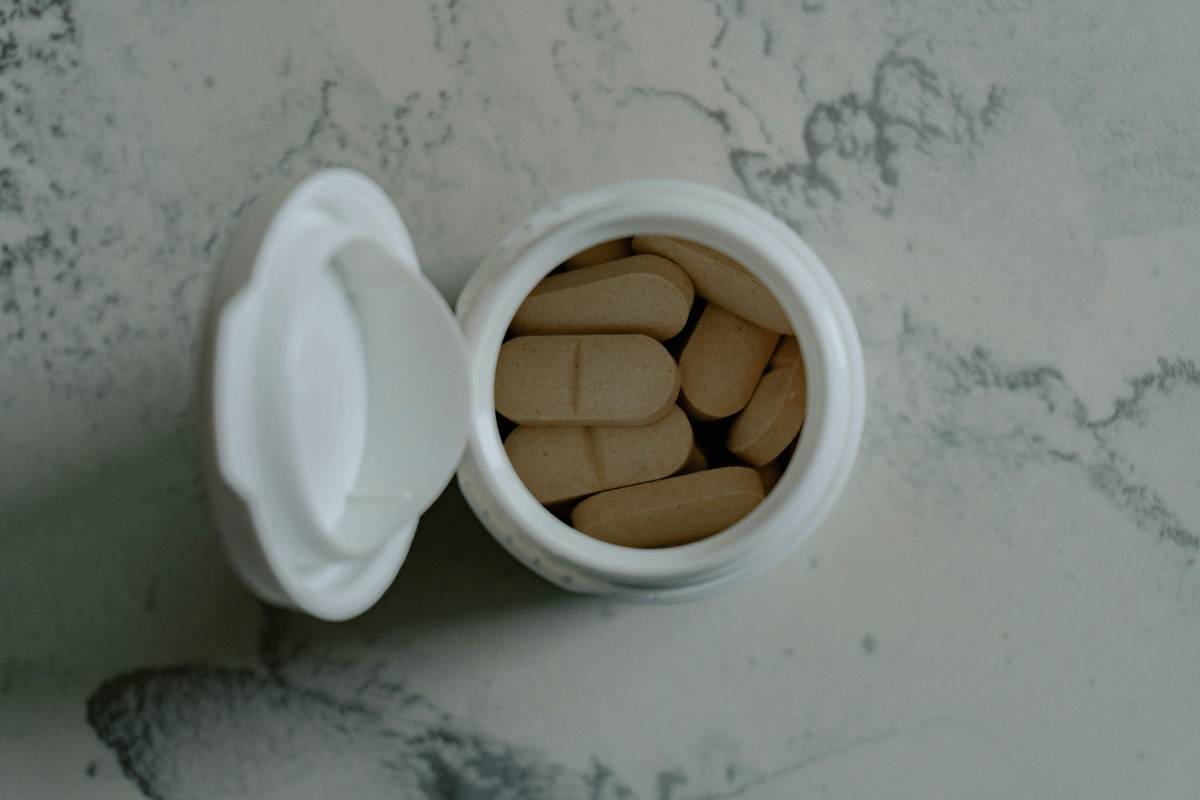
- Take with your first bite—not before, not after. Enzymes work on food, not empty space.
- Match the dose to the meal. High-fat meal? Prioritize lipase. Big steak? Boost protease.
- Avoid taking systemic enzymes (like serrapeptase) with digestive enzymes. They serve different purposes—don’t mix unless directed by a professional.
- Reassess every 8–12 weeks. Long-term reliance may mask underlying issues like dysbiosis or hypochlorhydria.
Terrible tip disclaimer: “Just take enzymes with every meal forever!” Nope. That’s like using a crutch when you need physical therapy. Address root causes—gut lining integrity, motility, microbiome balance.
Real People, Real Results: Case Studies
Case 1: The Vegan with Gas and Brain Fog
A 34-year-old vegan presented with bloating, flatulence, and mental fatigue despite a whole-food plant-based diet. Stool testing revealed low elastase (pancreatic enzyme marker). Started on a plant-based enzyme blend with alpha-galactosidase (breaks down legume oligosaccharides). Within 3 weeks: 80% symptom reduction. Bonus: her B12 levels rose because she could finally absorb nutrients.
Case 2: Post-Cholecystectomy Fat Malabsorption
After gallbladder removal, a 52-year-old woman couldn’t tolerate any fat without diarrhea. Added a high-lipase formula + ox bile support. Result: resumed avocado and olive oil without consequences. Her vitamin D levels normalized within 2 months.
These aren’t miracles—they’re applied enzyme science critical digestion meeting individual biochemistry.
FAQ: Enzyme Science Critical Digestion
Can you become dependent on digestive enzymes?
No—unlike laxatives, enzymes don’t create physiological dependency. However, long-term use without addressing root causes (e.g., chronic inflammation) isn’t ideal.
Are plant-based enzymes as effective as animal-derived?
Plant-based (fungal/bacterial) enzymes often work across a broader pH range and are suitable for vegetarians. Pancreatin (porcine-derived) closely mimics human enzymes but isn’t vegan. Both can be effective if dosed correctly.
Do kids need digestive enzymes?
Rarely—unless diagnosed with cystic fibrosis or congenital enzyme deficiencies. Focus on chewing, hydration, and whole foods first.
Can enzymes help with IBS?
Yes, especially in IBS-D or mixed-type. A 2020 RCT in European Review for Medical and Pharmacological Sciences found multi-enzyme supplementation significantly reduced bloating and abdominal pain vs. placebo.
Conclusion
Enzyme science critical digestion isn’t just academic—it’s the difference between eating and actually nourishing your cells. Whether you’re dealing with occasional bloating or managing a chronic gut condition, understanding your enzyme status empowers smarter choices. Start with food behavior, layer in targeted support if needed, and always dig for root causes.
And remember: digestion begins in the mind. Put down the phone, breathe, and chew. Your enzymes will thank you.
Like a dial-up modem connecting to AOL in 2003—your gut just needs the right signal to come online.
Stomach gurgles low
Enzymes slice food into light—
Cells hum with fuel now.